Summer-to-Winter Skincare Transition: 5-Step Evening Regimen
Adopting a targeted 5-step evening regimen is crucial for a successful summer-to-winter skincare transition, effectively stopping flaking and dryness to maintain a hydrated, resilient complexion within 48 hours.
As the vibrant warmth of summer fades into the crisp embrace of winter, your skin undergoes a significant shift, demanding a thoughtful adjustment in its care. The summer-to-winter skincare transition is paramount to prevent common cold-weather woes like dryness, irritation, and, most notably, persistent flaking. This guide will walk you through a powerful 5-step evening regimen designed to fortify your skin's barrier and ensure a smooth, hydrated complexion, halting flaking within 48 hours.
Understanding the Seasonal Shift's Impact on Your Skin
The transition from summer to winter brings noticeable changes in environmental conditions that profoundly affect our skin. Understanding these changes is the first step toward building an effective skincare strategy. Humidity levels drop significantly, winds become harsher, and indoor heating systems strip moisture from the air, all contributing to a drier, more vulnerable skin barrier.
During summer, skin often produces more oil due to heat and humidity, leading to lighter formulations and less intensive hydration. As winter approaches, this internal adjustment combined with external environmental stressors can leave skin feeling tight, looking dull, and prone to flaking. The skin's natural protective barrier, composed of lipids and ceramides, can become compromised, leading to increased transepidermal water loss (TEWL).
Why Flaking Occurs in Winter
Flaking is a clear sign that your skin's barrier is impaired and struggling to retain moisture. When the outermost layer of your skin, the stratum corneum, lacks adequate hydration, its cells (corneocytes) lose their plumpness and cohesion. This results in the visible shedding of dead skin cells in small, dry flakes. Factors like hot showers, harsh cleansers, and insufficient moisturizing can exacerbate this issue.
- Reduced Humidity: Less moisture in the air directly translates to less moisture in your skin.
- Harsh Winds: Cold, dry winds can strip natural oils, leading to dehydration.
- Indoor Heating: Central heating systems drastically lower indoor humidity, drying out skin.
- Compromised Skin Barrier: A weakened barrier cannot effectively lock in moisture or protect against irritants.
Addressing these underlying causes through a revised skincare routine is essential for long-term skin health. A proactive approach to the summer-to-winter skincare transition can prevent discomfort and maintain a healthy glow throughout the colder months.
Step 1: Gentle Cleansing and Exfoliation
The foundation of any effective evening skincare regimen begins with proper cleansing. During the summer-to-winter skincare transition, it's crucial to swap out harsh, foaming cleansers that can strip natural oils for gentler, more hydrating alternatives. A milky, oil-based, or cream cleanser will remove impurities without compromising the skin's already vulnerable moisture barrier.

This initial step sets the stage for all subsequent treatments. Ensuring your skin is clean but not tight or dry after washing is key. Look for ingredients like glycerin, ceramides, and hyaluronic acid in your cleanser, which help to retain moisture rather than deplete it. Avoid hot water, opting instead for lukewarm temperatures to prevent further dehydration.
The Role of Mild Exfoliation
While flaking might suggest the need for aggressive exfoliation, this approach can often worsen the problem by further damaging the skin barrier. Instead, focus on mild, consistent exfoliation. Chemical exfoliants, such as AHAs (alpha hydroxy acids) like lactic acid or mandelic acid, are often preferred over physical scrubs during winter. They gently dissolve dead skin cells, promoting cell turnover without harsh abrasion.
- Lactic Acid: A gentle AHA that also offers hydrating properties.
- Mandelic Acid: Ideal for sensitive skin due to its larger molecular size, penetrating slower.
- PHA (Polyhydroxy Acids): Even gentler than AHAs, suitable for highly sensitive skin.
Incorporate exfoliation once or twice a week, always in the evening, to allow your skin to recover overnight. This helps to remove dead, flaky skin cells, allowing subsequent hydrating products to penetrate more effectively. Over-exfoliation can lead to redness, irritation, and increased dryness, so listen to your skin and adjust frequency as needed.
Step 2: Incorporate Hydrating Serums and Essences
Once your skin is clean and gently exfoliated, the next critical step in your summer-to-winter skincare transition is to infuse it with potent hydrating serums and essences. These concentrated formulas deliver active ingredients deep into the skin, addressing specific concerns like dehydration and barrier repair more effectively than moisturizers alone. Think of them as a drink of water for your skin, preparing it for the heavier emollients to follow.
During colder months, the skin's ability to draw and retain moisture from the environment is diminished. Hydrating serums act as humectants, attracting moisture from the air (if any) and from deeper skin layers to the surface, where it's most needed. This step is particularly vital in combating the immediate signs of flaking and dryness.
Key Hydrating Ingredients to Seek
When selecting serums and essences, prioritize ingredients known for their exceptional hydrating and barrier-supporting properties. These ingredients work synergistically to replenish lost moisture and strengthen the skin's protective function.
- Hyaluronic Acid: A powerful humectant capable of holding up to 1,000 times its weight in water, drawing moisture into the skin.
- Glycerin: Another effective humectant that helps to attract and retain moisture.
- Ceramides: Essential lipids that are naturally found in the skin barrier, crucial for maintaining its integrity and preventing moisture loss.
- Niacinamide (Vitamin B3): Improves skin barrier function, reduces inflammation, and enhances hydration.
- Squalane: A lightweight, non-comedogenic oil that mimics skin's natural lipids, providing deep hydration.
Apply these serums to damp skin immediately after cleansing and toning. This helps to lock in additional moisture. Gently pat the product into your skin until fully absorbed before moving on to the next step. Consistency is key; daily application will yield the best results in stopping flaking within 48 hours.
Step 3: Lock in Moisture with a Rich Moisturizer
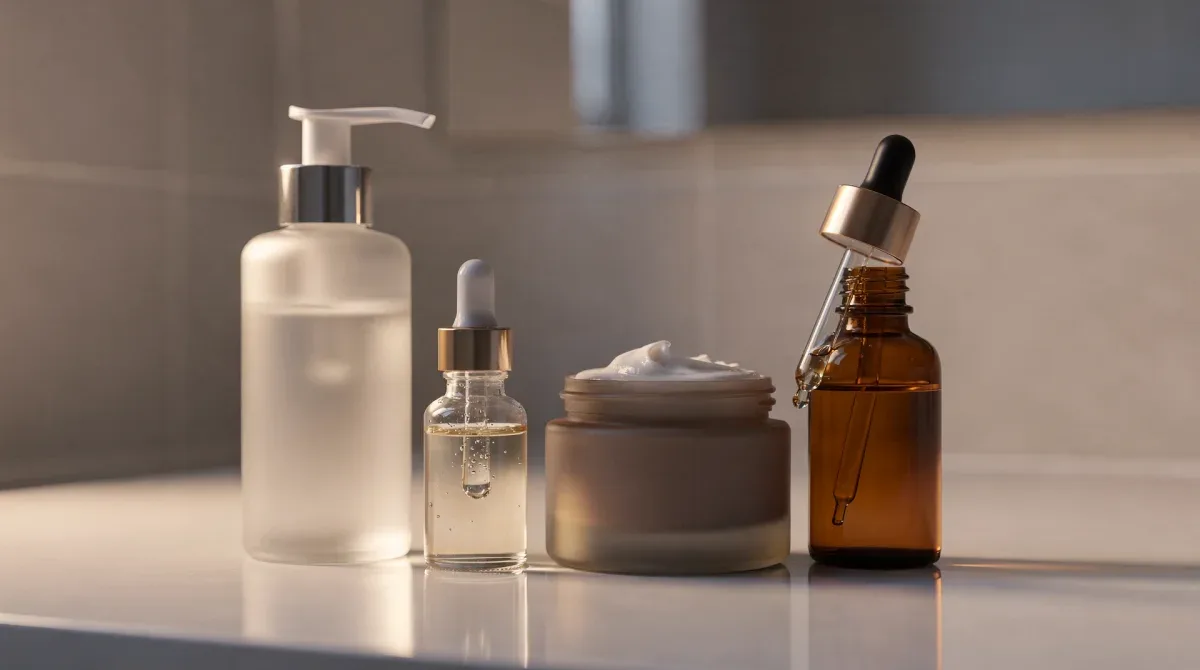
Following your hydrating serum, the crucial third step in your summer-to-winter skincare transition regimen is to seal in all that goodness with a rich, occlusive moisturizer. While serums provide deep hydration, a good moisturizer acts as a protective blanket, preventing moisture evaporation and repairing the skin's lipid barrier. This is where your skin truly gets the reinforcement it needs to combat the harsh winter elements and stop flaking effectively.
During summer, lighter lotions or gel moisturizers might suffice, but winter demands a creamier, more substantial formulation. These richer creams typically contain a higher concentration of emollients and occlusives, which create a physical barrier on the skin's surface. This barrier helps to reduce transepidermal water loss (TEWL), keeping your skin hydrated and supple throughout the night.
Choosing the Right Winter Moisturizer
When selecting your winter moisturizer, look for ingredients that not only hydrate but also nourish and protect the skin barrier. The texture should feel luxurious and comforting, providing immediate relief to dry or tight skin.
- Occlusives: Ingredients like petrolatum, lanolin, mineral oil, and dimethicone create a protective seal on the skin's surface, preventing water loss.
- Emollients: Fatty acids, cholesterol, and ceramides help to smooth and soften the skin, filling in gaps between skin cells.
- Humectants: While serums deliver concentrated humectants, moisturizers often contain them too, such as glycerin and hyaluronic acid, to draw in and bind moisture.
- Shea Butter and Cocoa Butter: Rich, natural emollients that provide intense nourishment and protection.
Apply a generous amount of moisturizer to your face and neck, gently massaging it in. Don't forget areas prone to dryness, like around the nose and mouth. This step is non-negotiable for anyone looking to prevent or treat flaking skin during the colder months, serving as a critical shield against environmental aggressors. Consistent application will significantly improve skin texture and resilience.
Step 4: Incorporate a Facial Oil for Extra Nourishment
For an elevated level of protection and nourishment, especially during the summer-to-winter skincare transition, incorporating a facial oil as the penultimate step in your evening regimen can make a significant difference. While moisturizers provide a blend of hydration and occlusion, facial oils offer a concentrated dose of lipids and fatty acids that mimic the skin’s natural oils, providing superior barrier support and locking in all the previous layers of hydration.
Facial oils are particularly beneficial for dry, flaky, or mature skin types, as they can replenish the lipid content that often diminishes with age and environmental exposure. They create a breathable, yet protective layer on the skin, preventing moisture from escaping and ensuring that your skin remains supple and comfortable throughout the night. This added layer of defense is crucial when facing the dehydrating effects of winter air and indoor heating.
Selecting Your Winter Facial Oil
Not all facial oils are created equal. For winter, opt for oils that are rich in essential fatty acids, antioxidants, and anti-inflammatory properties. These ingredients will not only nourish your skin but also help to soothe any irritation or redness that may arise from dryness.
- Rosehip Oil: Rich in vitamins A and C, and essential fatty acids, excellent for regeneration and reducing inflammation.
- Jojoba Oil: Closely resembles the skin’s natural sebum, making it highly compatible and non-comedogenic.
- Squalane Oil: A lightweight, non-greasy oil that provides excellent hydration and improves skin elasticity.
- Argan Oil: Packed with vitamin E and fatty acids, known for its moisturizing and anti-aging benefits.
- Marula Oil: A luxurious oil rich in antioxidants and omega fatty acids, offering intense hydration and protection.
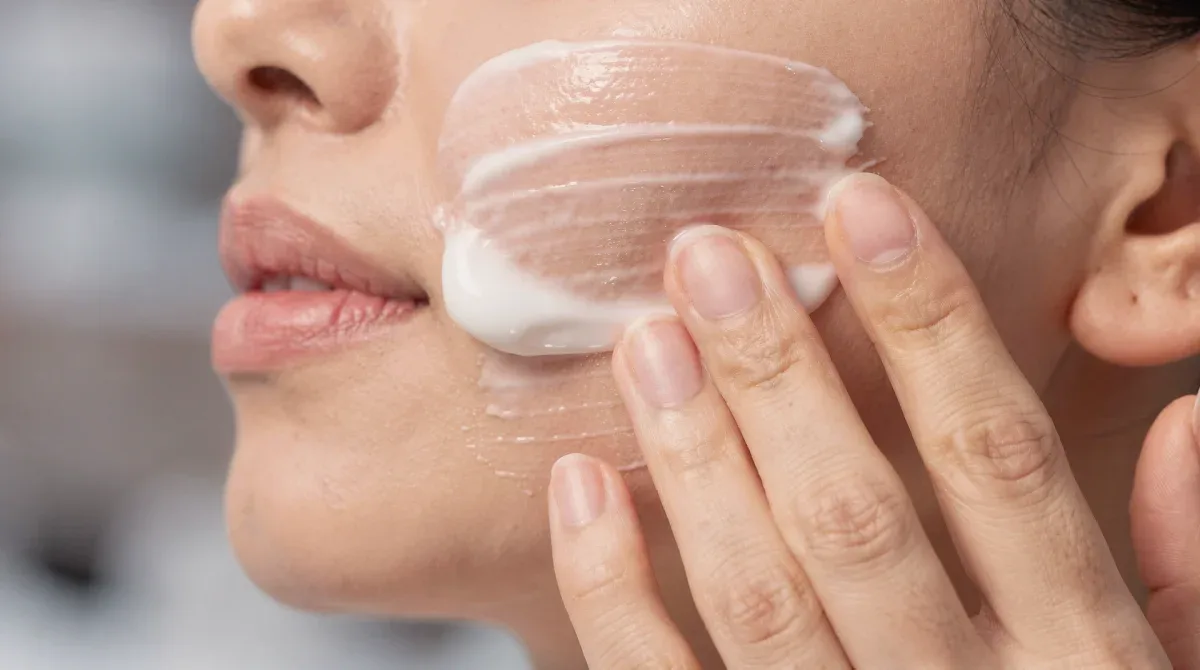
Warm a few drops of facial oil between your palms and gently press it onto your face and neck over your moisturizer. This technique helps the oil to absorb effectively without feeling heavy. The facial oil acts as an additional occlusive layer, sealing in all the moisture and active ingredients from your serums and moisturizers, providing an extra shield against the drying winter environment. This step is a game-changer for stopping flaking and achieving a truly resilient complexion.
Step 5: Overnight Treatments and Humidifier Use
The final step in your summer-to-winter skincare transition evening regimen involves targeted overnight treatments and environmental adjustments to maximize your skin's recovery and hydration while you sleep. The hours of rest are prime time for skin repair and regeneration, and by optimizing this period, you can significantly accelerate the process of stopping flaking and restoring your skin's health.
Overnight masks or sleeping packs are excellent additions to your winter routine. These products are formulated to provide an intensive boost of hydration and nourishment, often with a thicker consistency that forms a protective layer over your skin. They work by delivering a sustained release of active ingredients and preventing moisture loss throughout the night, allowing your skin to wake up plump, soft, and visibly less flaky.
Enhancing Overnight Repair
Beyond specialized masks, consider incorporating ingredients known for their reparative properties, such as peptides, growth factors, or even a gentle retinoid (if your skin is accustomed to it and not overly sensitive during this transition). These ingredients support cellular renewal and strengthen the skin's structure, making it more resilient against environmental stressors.
- Sleeping Masks: Apply a generous layer as the last step in your routine, usually 2-3 times a week.
- Balms or Ointments: For extremely dry or compromised areas, a thin layer of a rich balm can provide intense occlusion and healing.
- Lip Masks: Don't forget your lips, which are highly susceptible to dryness and flaking in winter. A thick lip mask can provide overnight repair.
Another crucial, yet often overlooked, aspect of overnight care is controlling your indoor environment. As mentioned earlier, indoor heating can dramatically reduce humidity levels, essentially drawing moisture out of your skin. This is where a humidifier becomes an invaluable tool. Placing a humidifier in your bedroom can significantly increase the ambient moisture, creating a more skin-friendly environment.
Aim for a humidity level between 40-60% in your bedroom. This simple adjustment can prevent your skin from becoming excessively dry and flaky overnight, complementing your topical skincare efforts. By combining targeted overnight treatments with a humidified environment, you create the optimal conditions for your skin to recover, rehydrate, and fortify its barrier, ensuring you wake up to a healthier, flake-free complexion within 48 hours.
Lifestyle Adjustments for Winter Skin Health
While a robust evening skincare regimen is paramount for the summer-to-winter skincare transition, supporting your skin from within and through daily habits can amplify your results and ensure long-term skin health. Skincare isn't just about what you apply topically; it's a holistic approach that integrates lifestyle choices for optimal well-being. These adjustments can help prevent flaking and maintain skin vitality throughout the colder months.
One of the most fundamental aspects is internal hydration. Drinking an adequate amount of water throughout the day is crucial for maintaining skin plumpness and elasticity. Even if you don't feel as thirsty in colder weather, your body still needs consistent hydration to support all its functions, including skin health. Herbal teas and water-rich fruits and vegetables can also contribute to your daily fluid intake.
Dietary Support for a Strong Skin Barrier
Your diet plays a significant role in the health and integrity of your skin barrier. Consuming foods rich in essential fatty acids, antioxidants, and vitamins can help strengthen your skin from the inside out. These nutrients are vital for cell regeneration, reducing inflammation, and protecting against environmental damage.
- Omega-3 Fatty Acids: Found in fatty fish (salmon, mackerel), flaxseeds, chia seeds, and walnuts, these help maintain skin barrier function and reduce inflammation.
- Antioxidants: Berries, leafy greens, and colorful vegetables protect skin cells from oxidative stress.
- Vitamin C: Crucial for collagen production and antioxidant protection, found in citrus fruits, bell peppers, and broccoli.
- Vitamin E: A powerful antioxidant that supports skin repair, found in nuts, seeds, and avocados.
Beyond diet, consider modifying your bathing habits. While a hot shower might feel comforting in winter, excessively hot water strips your skin of its natural oils, leading to increased dryness. Opt for lukewarm water and limit shower time to 5-10 minutes. Immediately after showering, apply a body moisturizer to damp skin to lock in moisture. Furthermore, protect your skin from direct exposure to harsh winter winds by wearing scarves, hats, and gloves. These simple physical barriers can prevent significant moisture loss and irritation. By integrating these lifestyle adjustments, you create a comprehensive strategy for thriving skin during the summer-to-winter skincare transition, moving beyond just stopping flaking to truly nurturing a resilient and radiant complexion.
| Key Step | Brief Description |
|---|---|
| Gentle Cleansing | Switch to hydrating cleansers and mild exfoliation to protect the skin barrier. |
| Hydrating Serums | Apply humectant-rich serums (e.g., Hyaluronic Acid) to damp skin for deep hydration. |
| Rich Moisturizer | Seal in moisture with a thick, occlusive cream to prevent water loss and repair barrier. |
| Facial Oil & Overnight Care | Add a facial oil for extra nourishment and use a humidifier for ambient moisture. |
Frequently Asked Questions About Winter Skincare
Why does my skin flake more in winter?▼Skin flakes more in winter due to significantly lower humidity levels, harsh winds, and indoor heating, all of which strip moisture from the skin. This compromises the skin's natural barrier, leading to increased water loss and visible shedding of dry, dead skin cells.
How quickly can this 5-step regimen stop flaking?▼While individual results vary, this targeted 5-step evening regimen is designed to significantly improve skin hydration and barrier function within 48 hours. Many users report a noticeable reduction in flaking and tightness, leading to a more comfortable and smoother complexion very quickly.
Should I change my cleanser for winter?▼Yes, it's highly recommended to switch to a gentler, more hydrating cleanser in winter. Harsh foaming cleansers can strip natural oils, exacerbating dryness. Opt for milky, oil-based, or cream cleansers with ingredients like glycerin or ceramides to protect your skin's barrier.
Is exfoliation still necessary during winter?▼Yes, gentle exfoliation is still necessary to remove dead skin cells and allow products to penetrate. However, use mild chemical exfoliants like lactic or mandelic acid once or twice a week, rather than harsh physical scrubs, to avoid further irritating a vulnerable winter skin barrier.
What role does a humidifier play in winter skincare?▼A humidifier is crucial for winter skincare as it adds moisture back into the dry indoor air, counteracting the dehydrating effects of central heating. This helps prevent your skin from losing essential moisture overnight, supporting your topical skincare efforts and reducing flaking.
Conclusion
Navigating the summer-to-winter skincare transition doesn't have to mean enduring dry, flaky, or uncomfortable skin. By thoughtfully adapting your evening regimen to include gentle cleansing, potent hydrating serums, a rich moisturizer, nourishing facial oils, and strategic overnight treatments, you can proactively fortify your skin's natural defenses. These five steps, coupled with mindful lifestyle adjustments, create a comprehensive approach to maintain a healthy, hydrated, and resilient complexion, effectively stopping flaking within 48 hours and ensuring your skin remains radiant throughout the colder months.
