Retinol vs. Bakuchiol: 6-Week PIH Protocol for 2026
A 6-week protocol for fading post-inflammatory hyperpigmentation (PIH) by 40% without irritation involves carefully comparing retinol and bakuchiol, leveraging their distinct mechanisms to achieve significant skin tone improvement by 2026.
Navigating the complex world of skincare can be challenging, especially when targeting specific concerns like post-inflammatory hyperpigmentation (PIH). This article dives into the crucial debate of Retinol vs. Bakuchiol in 2026: A 6-Week Protocol to Fade Post-Inflammatory Hyperpigmentation by 40% Without Irritation, offering a clear, actionable guide to achieving a more even and radiant complexion without the common drawbacks of potent ingredients. Are you ready to transform your skin?
Understanding post-inflammatory hyperpigmentation (PIH)
Post-inflammatory hyperpigmentation, or PIH, is a common skin condition characterized by dark spots or patches that remain on the skin after an inflammatory lesion has healed. This can result from acne, eczema, psoriasis, or even minor skin injuries. Understanding the mechanisms behind PIH is the first step toward effectively treating it, as it involves an overproduction of melanin in response to skin trauma.
The skin's natural healing process, when confronted with inflammation, can sometimes go into overdrive, leading to melanocytes (melanin-producing cells) depositing excess pigment in the deeper layers of the epidermis or even the dermis. This is why PIH can range from light brown to dark black, depending on skin tone and the depth of the pigment. It's a frustrating concern for many, impacting skin uniformity and overall confidence.
The cellular basis of PIH formation
At a cellular level, PIH is a complex response. When inflammation occurs, various signaling molecules are released, which can stimulate tyrosinase, an enzyme critical for melanin synthesis. This cascade leads to increased melanin production and its uneven distribution. Factors like sun exposure can further exacerbate PIH, making the spots darker and more persistent.
- Inflammation triggers: Acne, cuts, burns, or allergic reactions.
- Melanocyte activation: Increased production and transfer of melanin.
- Sun exposure: Worsens pigmentation and slows fading.
- Skin type: Darker skin tones are more prone to severe and persistent PIH.
Recognizing these triggers and cellular processes is essential for developing a targeted treatment strategy. Our goal is not just to fade existing spots but also to prevent new ones by managing inflammation and supporting healthy skin regeneration.
In conclusion, PIH is more than just a cosmetic issue; it's a dermatological response to trauma. Effective treatment requires an understanding of its origins and a comprehensive approach to mitigate its effects. By addressing the root causes and implementing a tailored regimen, fading these persistent marks becomes a tangible goal.
Retinol: the gold standard and its challenges
Retinol, a derivative of Vitamin A, has long been hailed as the gold standard in dermatology for its remarkable ability to accelerate cell turnover, stimulate collagen production, and improve skin texture and tone. Its efficacy in treating various skin concerns, including fine lines, wrinkles, and hyperpigmentation, is well-documented and supported by decades of research. For PIH, retinol works by increasing cell renewal, helping to shed pigmented cells and bring new, unpigmented cells to the surface.
Despite its impressive benefits, retinol comes with a notorious reputation for causing irritation, redness, dryness, and peeling, especially during the initial stages of use. This retinization period can be a significant deterrent for many, leading to inconsistent application or complete discontinuation. The challenge lies in harnessing retinol's power without compromising skin barrier function or causing undue discomfort.
Mechanisms of action and potential side effects
Retinol converts to retinoic acid in the skin, which then interacts with specific receptors in skin cells. This interaction influences gene expression, leading to a cascade of beneficial effects. However, this potent action can also disrupt the skin barrier, leading to increased trans-epidermal water loss and heightened sensitivity.
- Cellular turnover: Accelerates shedding of pigmented cells.
- Collagen production: Improves skin elasticity and firmness.
- Melanin inhibition: Indirectly reduces pigment synthesis.
- Common side effects: Redness, peeling, dryness, sensitivity, irritation.
Managing these side effects often involves starting with lower concentrations, gradually increasing frequency, and incorporating hydrating and soothing ingredients into the routine. The goal is to build skin tolerance over time, allowing the skin to adapt to retinol's potent effects.
Ultimately, retinol remains a powerful tool in the fight against PIH, but its effective use requires careful consideration of its potential for irritation. Understanding how to mitigate these challenges is key to successful treatment and achieving a clearer complexion.
Bakuchiol: the gentle alternative for sensitive skin
Bakuchiol has emerged as a compelling plant-based alternative to retinol, offering many of the same skin benefits without the associated irritation. Derived from the babchi plant (Psoralea corylifolia), bakuchiol has gained significant traction in the skincare world, particularly among individuals with sensitive skin or those who cannot tolerate retinoids. Its appeal lies in its ability to improve skin texture, reduce fine lines, and notably, address hyperpigmentation with a much gentler touch.
Clinical studies have shown bakuchiol to be effective in reducing hyperpigmentation and improving overall skin tone, making it an excellent candidate for our 6-week protocol. It works through different pathways than retinol, but ultimately achieves similar outcomes, promoting cell regeneration and inhibiting melanin production without the typical retinoid side effects.
How bakuchiol works and its advantages
Bakuchiol interacts with similar receptors in the skin as retinoids, but its chemical structure is entirely different. This allows it to deliver comparable anti-aging and skin-evening benefits without triggering the inflammatory response often seen with retinol. It's an ideal choice for those seeking powerful results without compromise.
- Collagen stimulation: Boosts skin elasticity and firmness.
- Antioxidant properties: Protects skin from environmental damage.
- Anti-inflammatory: Reduces redness and irritation.
- No retinization: Generally well-tolerated with minimal side effects.
The primary advantage of bakuchiol is its superior tolerability. It can be used both morning and night, and it is generally safe for pregnant and breastfeeding individuals, making it a versatile ingredient for a wide range of users. This gentleness makes it an attractive option for those committed to a consistent skincare regimen.
In conclusion, bakuchiol represents a significant advancement in skincare, offering a potent yet gentle solution for addressing PIH and other skin concerns. Its ability to deliver efficacy comparable to retinol, without the irritation, positions it as a valuable ingredient in any advanced skincare routine.
The 6-week protocol: a phased approach
Implementing a 6-week protocol to fade post-inflammatory hyperpigmentation by 40% without irritation requires a strategic, phased approach. This protocol is designed to maximize the benefits of either retinol or bakuchiol while minimizing potential side effects, ensuring sustainable results. The key is consistency, careful product selection, and monitoring your skin's response throughout the process.
This phased approach allows your skin to gradually adapt to active ingredients, building tolerance and optimizing efficacy. We will outline a general framework, but remember to always listen to your skin and adjust as needed. The goal is a noticeable improvement in PIH with no compromise on skin comfort.
Week 1-2: initiation and gentle introduction
The initial phase focuses on preparing the skin and introducing the chosen active ingredient (retinol or bakuchiol) at a low concentration or frequency. This helps to prevent overwhelming the skin and allows it to acclimate to the new treatment.
- Cleanse: Use a gentle, hydrating cleanser twice daily.
- Hydrate: Apply a hyaluronic acid serum to boost moisture.
- Active ingredient: Apply retinol (0.25-0.5%) 2-3 times a week, or bakuchiol daily.
- Moisturize: Follow with a rich, soothing moisturizer.
- Sun protection: Non-negotiable daily SPF 30+ application.
During these first two weeks, it's crucial to observe your skin for any signs of irritation. If using retinol, mild redness or flaking is normal; however, significant discomfort indicates a need to reduce frequency or concentration. Bakuchiol users should experience minimal to no irritation.
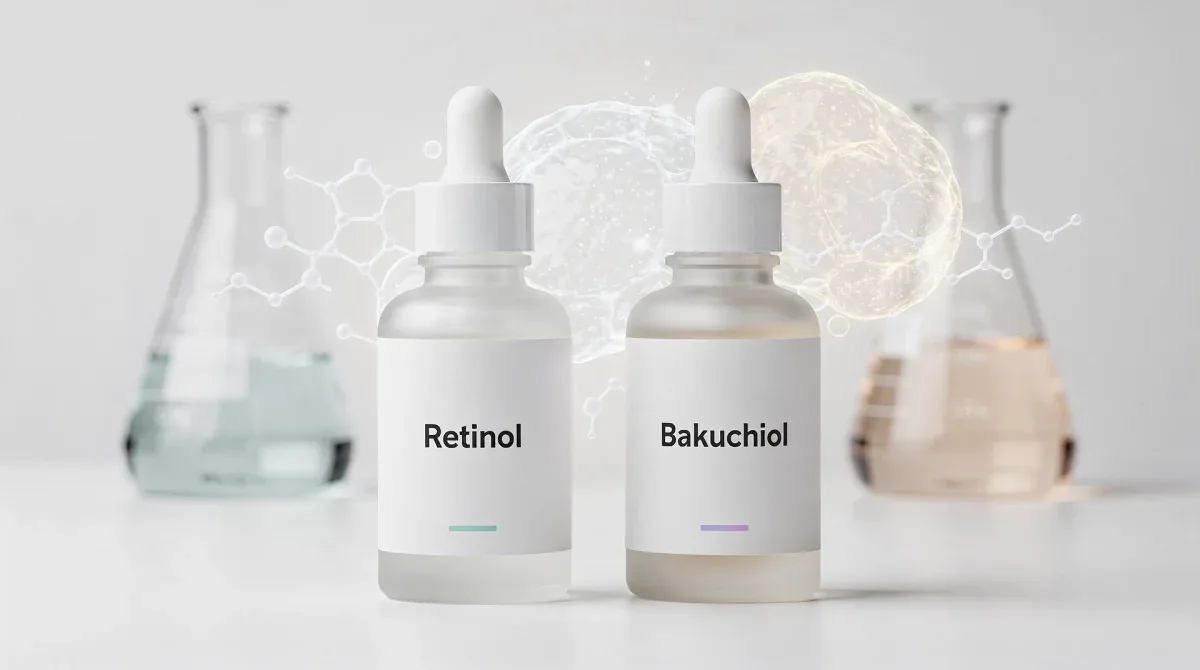
The initial phase sets the foundation for the entire protocol. By starting gently, you create a positive environment for your skin to respond effectively to the active ingredients without unnecessary stress or damage.
Weeks 3-4: increasing intensity and consistency
Once your skin has successfully adapted to the initial introduction of your chosen active, weeks 3 and 4 of the protocol focus on gradually increasing the intensity and consistency of application. This phase is crucial for accelerating the fading of PIH, pushing your skin to renew more efficiently while still prioritizing comfort and barrier integrity. It's about finding the sweet spot where efficacy meets tolerability.
For those using retinol, this might mean increasing the frequency of application or moving to a slightly higher concentration if your skin shows no signs of adverse reactions. Bakuchiol users can continue with daily application, potentially layering with other complementary ingredients if desired. The consistent stimulation of cell turnover during this period is what drives significant improvement in hyperpigmentation.
Adjusting application and supporting skin health
Careful adjustment is key. Pushing too hard can lead to irritation and setbacks, negating the progress made. Simultaneously, maintaining a robust supporting routine with hydrating and soothing ingredients is more important than ever.
- Retinol adjustment: Increase frequency to every other night, or if well-tolerated, nightly. Consider a slight increase in concentration (e.g., from 0.25% to 0.5%) if no irritation.
- Bakuchiol consistency: Continue daily, morning and/or night.
- Hydration boost: Incorporate ceramides or peptides to support the skin barrier.
- Antioxidant support: Add a Vitamin C serum in the morning to enhance brightening.
- Strict SPF: Continue diligent application of broad-spectrum SPF 30+ daily.
Monitor your skin closely. Any new or increased irritation, excessive dryness, or persistent redness means it's time to pull back slightly, perhaps reducing frequency or temporarily returning to the previous step. The goal is consistent progress, not aggressive acceleration.
The middle phase of the protocol is where the real work happens in terms of PIH reduction. By carefully escalating the active ingredient and providing ample skin support, you can significantly advance towards your goal of a 40% reduction in hyperpigmentation without irritation.
Weeks 5-6: maintenance and enhanced results
As you enter weeks 5 and 6, the focus shifts from active adjustment to maintaining the progress achieved and refining your routine for enhanced results. By this point, you should be observing a noticeable reduction in your post-inflammatory hyperpigmentation. This final phase is about solidifying those improvements and ensuring the long-term health and radiance of your skin, often leading to the targeted 40% fading without irritation.
For retinol users, your skin should now be well-acclimated, allowing for consistent nightly use or the highest tolerable concentration. Bakuchiol users will likely be enjoying a smooth, irritation-free path to clearer skin. The emphasis here is on reinforcing the skin barrier, protecting against future damage, and celebrating the visible transformation.
Sustaining progress and future considerations
Beyond the 6-week mark, this routine can transition into a sustainable long-term regimen. The habits formed during this period are crucial for preventing recurrence of PIH and maintaining a healthy complexion.
- Consistent active use: Continue with your established retinol or bakuchiol routine.
- Barrier support: Prioritize products rich in ceramides, fatty acids, and cholesterol.
- Targeted treatments: Consider adding alpha hydroxy acids (AHAs) for gentle exfoliation 1-2 times a week, if tolerated, to further boost cell turnover and brighten.
- Antioxidant defense: Maintain morning Vitamin C application for enhanced protection and brightening.
- Year-round SPF: Sun protection remains paramount to prevent new PIH and protect fading spots.
It's important to remember that skincare is a marathon, not a sprint. While the 6-week protocol aims for significant improvement, continued dedication to a thoughtful routine will ensure lasting results. Periodic re-evaluation of your skin's needs and product efficacy is also recommended.
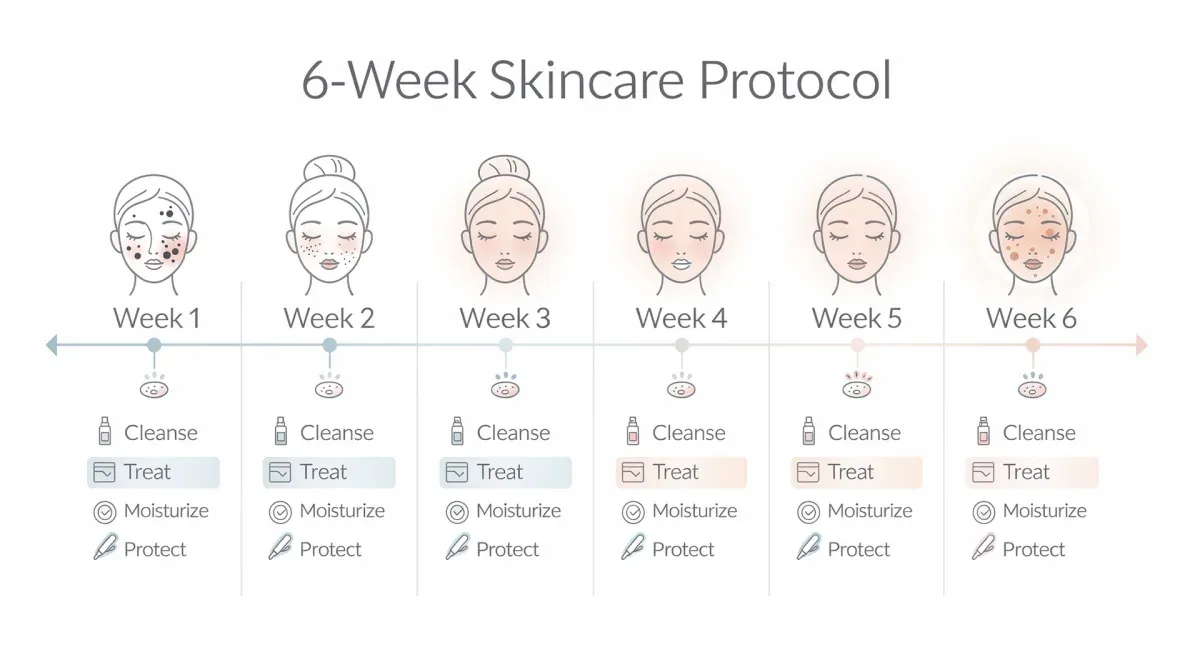
The final weeks of the protocol are a testament to consistent effort and a well-planned strategy. By maintaining a balance of potent actives and supportive care, you can achieve and sustain clear, even-toned skin, free from the burden of post-inflammatory hyperpigmentation.
Integrating complementary ingredients for optimal results
While retinol and bakuchiol are powerful on their own, integrating complementary ingredients into your 6-week protocol can significantly enhance results, especially when targeting post-inflammatory hyperpigmentation. These synergistic ingredients work by addressing different aspects of PIH, from reducing inflammation to inhibiting melanin production, thereby accelerating fading and improving overall skin health without causing irritation.
The goal is to create a well-rounded routine that supports the skin's natural healing processes and protects it from further damage. By strategically layering products, you can tackle PIH from multiple angles, leading to a more efficient and profound transformation of your complexion. This holistic approach ensures that your skin receives comprehensive care.
Key supporting ingredients and their benefits
Certain ingredients are particularly effective when paired with retinol or bakuchiol. They help to calm the skin, provide additional brightening, and strengthen the skin barrier, making the entire protocol more effective and comfortable.
- Niacinamide (Vitamin B3): Reduces inflammation, improves skin barrier function, and helps prevent melanin transfer to skin cells.
- Vitamin C (Ascorbic Acid): A potent antioxidant that brightens skin, inhibits tyrosinase activity, and protects against photodamage.
- Hyaluronic Acid: Provides intense hydration, plumping the skin and supporting barrier function, crucial when using active ingredients.
- Alpha Arbutin/Kojic Acid: Directly target melanin production, offering additional brightening power for stubborn spots.
- Centella Asiatica (Cica): Known for its soothing and healing properties, it helps reduce redness and supports skin repair.
When incorporating these ingredients, consider their optimal application times. For example, Vitamin C is often best used in the morning for antioxidant protection, while niacinamide can be applied morning and night. Always introduce new ingredients one at a time to observe your skin's reaction.
By thoughtfully adding these complementary ingredients, you create a powerful regimen that not only targets PIH but also promotes overall skin resilience and radiance. This layered approach is key to achieving optimal and lasting results without irritation.
| Key Point | Brief Description |
|---|---|
| PIH Understanding | Dark spots from inflammation, involving melanin overproduction in response to skin trauma. |
| Retinol Efficacy | Gold standard for cell turnover and collagen, but can cause irritation and redness. |
| Bakuchiol Benefits | Plant-based, gentle alternative offering similar PIH reduction without irritation. |
| 6-Week Protocol | Phased approach of initiation, intensity increase, and maintenance for 40% PIH reduction. |
Frequently asked questions
Can I use both retinol and bakuchiol in the same routine?▼While generally not recommended to combine them directly due to potential for increased irritation with retinol, some formulations might blend them for synergistic effects. For sensitive skin or beginners, it's best to choose one or use them on alternate nights to assess tolerance and maximize benefits without overwhelming the skin.
How long does it typically take to see results from this protocol?▼You can expect to see noticeable improvements in post-inflammatory hyperpigmentation within the 6-week timeframe outlined in the protocol, with a target of 40% reduction. However, individual results may vary based on the severity of PIH, skin type, and consistent adherence to the regimen. Continued use often leads to further enhancements.
Is sun protection truly essential during this 6-week protocol?▼Absolutely. Sun protection is non-negotiable. Both retinol and bakuchiol can increase skin sensitivity to the sun, and UV exposure is a primary factor in exacerbating hyperpigmentation. Daily application of a broad-spectrum SPF 30 or higher is crucial to prevent further darkening of existing spots and protect newly regenerated skin.
What should I do if my skin becomes irritated during the protocol?▼If irritation occurs, reduce the frequency of your active ingredient application (retinol or bakuchiol) or temporarily pause for a few days. Focus on hydrating and soothing products. Once irritation subsides, reintroduce the active ingredient gradually, perhaps at a lower concentration or less often. Listen to your skin's signals carefully.
Can this protocol be adapted for different skin types, including oily or dry skin?▼Yes, the protocol is adaptable. Oily skin types might prefer lighter formulations and may tolerate actives more readily. Dry skin types should prioritize richer moisturizers, hydrating serums, and potentially lower concentrations or less frequent application of actives, especially retinol. Adjust supporting products to suit your specific skin's hydration needs.
Conclusion
The journey to fading post-inflammatory hyperpigmentation by 40% without irritation by 2026 is an achievable goal, as demonstrated by our comprehensive 6-week protocol comparing retinol and bakuchiol. Both ingredients offer significant benefits, with retinol providing potent cell renewal and bakuchiol presenting a gentle yet effective alternative. The key lies in understanding your skin's unique needs, selecting the appropriate active, and adhering to a phased, consistent routine complemented by supporting ingredients and diligent sun protection. By embracing this strategic approach, you empower your skin to heal, regenerate, and reveal a clearer, more even-toned complexion, fostering confidence and well-being.
