Regulate Circadian Rhythm: Hot Nights Sleep Protocol Brazil
To effectively regulate your circadian rhythm during hot Brazilian nights, implement a 4-step protocol encompassing environmental cooling, consistent evening routines, mindful diet, and strategic light management for achieving restorative deep sleep.
Struggling to find deep, restorative sleep when the Brazilian nights are scorching? You're alone. The relentless heat can throw your body's natural sleep-wake cycle, or circadian rhythm, into disarray, making restful slumber feel like a distant dream. This article unveils a practical 4-step protocol specifically designed to help you reclaim your nights and achieve profound sleep, even when the mercury rises.
Understanding the Circadian Rhythm and Heat's Impact
The circadian rhythm is an intricate biological clock that governs nearly every physiological process in our bodies, including sleep. It's primarily influenced by light and temperature, signaling to our brains when to be awake and when to prepare for rest. When external temperatures soar, particularly during hot Brazilian nights, this delicate balance can be significantly disrupted.
Our bodies naturally cool down as we approach sleep, a crucial signal for initiating the sleep process. High ambient temperatures, however, counteract this natural cooling, making it difficult to fall asleep and stay asleep. This prolonged heat exposure can delay melatonin production, the hormone responsible for inducing sleepiness, further throwing off our internal clock. The result is often fragmented sleep, reduced deep sleep stages, and a feeling of exhaustion even after spending hours in bed.
Recognizing this interplay between heat and our circadian rhythm is the first step toward finding effective solutions. By understanding how environmental factors like temperature interfere with our body's natural sleep signals, we can then implement targeted strategies to mitigate these effects and restore balance. It’s about working with our biology, not against it, to ensure that hot nights don't equate to sleepless nights.

In essence, the body's core temperature needs to drop by approximately 1-2 degrees Fahrenheit to initiate and maintain sleep. When the surrounding air is hot, the body struggles to dissipate heat, keeping the core temperature elevated. This internal struggle sends conflicting signals to the brain, disrupting the natural sleep onset process and often leading to restless tossing and turning throughout the night. Moreover, the effort the body expends trying to cool itself can also lead to increased metabolic activity, further preventing relaxation.
Furthermore, humidity, which often accompanies high temperatures in many parts of Brazil, can exacerbate the discomfort. High humidity prevents sweat from evaporating effectively, making the body feel even hotter and stickier. This combination of heat and humidity creates an environment that is far from conducive to quality sleep, making it imperative to adopt proactive measures to regulate both the internal and external conditions that influence our sleep-wake cycle. Addressing these factors systematically is key to successful sleep regulation.
Step 1: Optimizing Your Sleep Environment for Coolness
Creating a cool and conducive sleep environment is paramount when battling hot Brazilian nights. This isn't just about turning on the air conditioning; it involves a multi-faceted approach to minimize heat absorption and maximize heat dissipation from your body and surroundings. Small adjustments can make a significant difference in how quickly you fall asleep and the quality of your rest.
The ideal bedroom temperature for sleep is generally between 18-22°C (65-72°F). Achieving this in a hot climate requires strategic planning. Start by blocking out sunlight during the day to prevent your room from heating up. Utilize blackout curtains or blinds to keep the sun's rays from penetrating your windows, effectively insulating your room from external heat. This simple measure can lower your room's temperature by several degrees before you even step inside for the night.
Strategic Cooling Techniques
Beyond passive cooling, active measures are essential. Consider these techniques:
- Air Conditioning and Fans: If available, set your air conditioner to a comfortable temperature. If not, strategically place fans. A ceiling fan can circulate air effectively. A box fan placed in a window facing outwards can help draw hot air out of the room, while another fan positioned to blow air directly over you can provide immediate relief.
- Ice and Water: Place a bowl of ice in front of a fan to create a DIY evaporative cooler. A cool shower or bath before bed can also lower your core body temperature, signaling to your body that it's time to sleep.
- Bedding Choices: Opt for breathable, natural fabrics like cotton or linen for sheets and pajamas. These materials allow for better air circulation and wick away moisture, preventing you from feeling sticky and overheated. Avoid synthetic materials that trap heat.
Ventilation is also crucial. If the outside air cools down significantly in the late evening, opening windows on opposite sides of your home can create a cross-breeze, flushing out trapped hot air. Ensure that your sleep space is as dark as possible, as light can also interfere with melatonin production. By meticulously managing your sleep environment, you create the optimal conditions for your body to naturally cool down and initiate the sleep process, even when the outside world remains warm.
Step 2: Implementing a Consistent Evening Ritual
A consistent evening ritual acts as a powerful signal to your body, preparing it for sleep by gradually winding down both your mind and body. In the context of hot nights, this ritual becomes even more critical, helping to counteract the stimulating effects of heat and promote relaxation. The key is to create a routine that is both calming and cooling, allowing your circadian rhythm to smoothly transition into its sleep phase.
Begin your ritual approximately 1-2 hours before your intended bedtime. This gives your body ample time to shift from an active state to a relaxed one. Avoid stimulating activities such as intense exercise, engaging in heated discussions, or consuming heavy meals close to bedtime. Instead, focus on activities that promote tranquility and reduce your core body temperature.
Relaxing Activities for Hot Nights
Integrate these practices into your nightly routine:
- Cool Shower or Bath: As mentioned, a cool shower can significantly lower your body temperature. It also washes away sweat and grime from the day, leaving you feeling refreshed. Avoid very cold water, as it can be too stimulating; aim for lukewarm to cool.
- Mindful Breathing and Meditation: Dedicate 10-15 minutes to deep breathing exercises or a guided meditation. This practice helps calm the nervous system, reduce anxiety, and clear your mind of daily stressors, which can be amplified by discomfort from the heat.
- Gentle Stretching or Yoga: Light stretching or restorative yoga can release physical tension without raising your heart rate or body temperature. Focus on slow, deliberate movements that promote flexibility and relaxation.
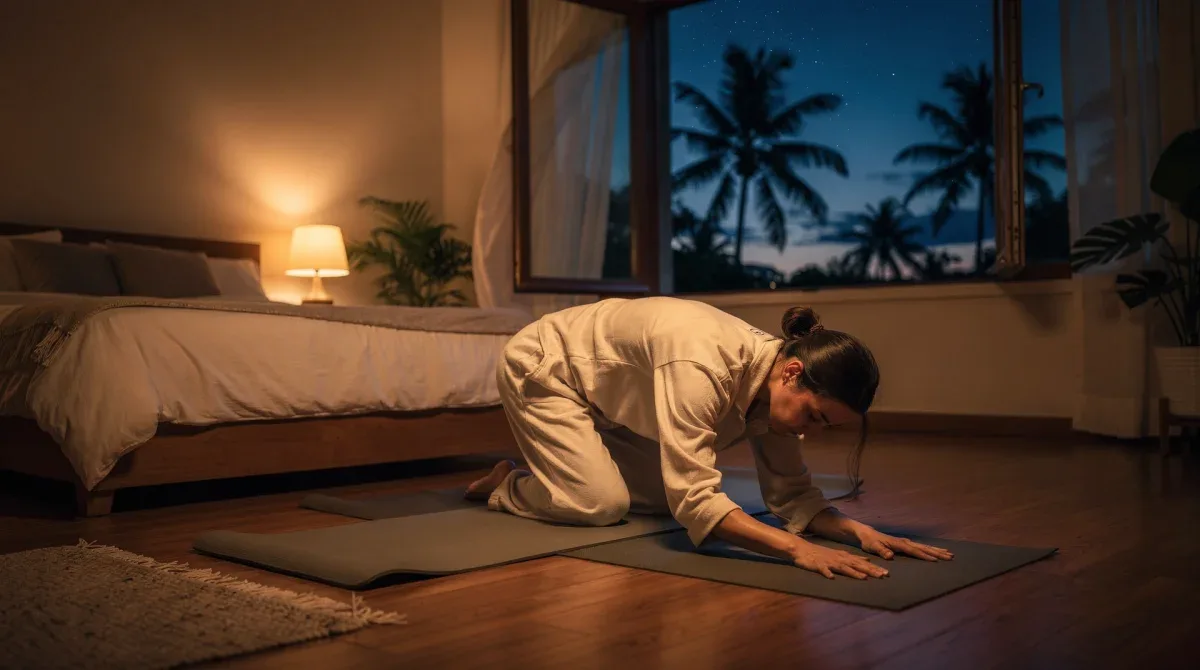
Reading a physical book or listening to calming music can also be excellent additions to your ritual. The goal is to disengage from screens and blue light, which can disrupt melatonin production. Ensure that your reading material is not overly stimulating or suspenseful. The consistency of these actions over time will train your body to associate them with sleep, reinforcing your circadian rhythm and making it easier to fall asleep, regardless of the ambient temperature. This predictable sequence of events helps to establish a strong internal clock.
Moreover, consider the impact of scent on relaxation. Essential oils like lavender or chamomile, diffused lightly in your bedroom, can contribute to a soothing atmosphere. However, be mindful of strong scents that might be overwhelming in a hot environment. The entire ritual should be a sanctuary, a deliberate effort to create a mental and physical space that signals the end of the day and the beginning of rest. By consistently adhering to these practices, you provide your body with the necessary cues to transition into a state of sleep-readiness, even when external conditions present challenges.
Step 3: Strategic Dietary Adjustments and Hydration
What and when you eat and drink can profoundly influence your body's ability to regulate its temperature and prepare for sleep, especially during hot Brazilian nights. Certain foods and beverages can either promote relaxation and cooling or, conversely, stimulate your system and generate internal heat, making sleep elusive. Making strategic dietary adjustments is a crucial component of regulating your circadian rhythm.
Avoid heavy, fatty, or spicy meals close to bedtime. These foods require more energy to digest, which can elevate your core body temperature and keep your digestive system active when it should be winding down. Similarly, steer clear of caffeine and alcohol in the late afternoon and evening. While alcohol might initially make you feel drowsy, it disrupts sleep cycles later in the night, leading to fragmented and less restorative sleep. Caffeine, a known stimulant, can stay in your system for many hours, making it difficult to fall asleep.
Optimal Evening Nutrition
Focus on lighter, easily digestible options:
- Light Dinners: Opt for smaller, balanced meals several hours before bed. Think lean proteins, whole grains, and plenty of vegetables. Foods rich in tryptophan, like turkey, chicken, nuts, and seeds, can help promote serotonin and melatonin production.
- Hydration: Staying well-hydrated throughout the day is essential, but avoid excessive fluid intake right before bed to prevent nighttime bathroom trips. Sip on cool water or herbal teas (like chamomile or peppermint) in the evening. These can help cool your body and calm your mind.
- Cooling Foods: Incorporate naturally cooling foods into your diet. Watermelon, cucumber, leafy greens, and citrus fruits have high water content and can help regulate body temperature. A small, cool snack like yogurt or a banana can be beneficial if you feel hungry before bed.

It's also important to be mindful of sugar intake. High-sugar snacks can lead to blood sugar spikes and crashes, disrupting sleep. Instead, choose complex carbohydrates that release energy slowly. By consciously choosing foods and beverages that support your body's natural cooling mechanisms and reduce internal stimulation, you can significantly enhance your ability to fall and stay asleep, even when the air outside is warm. These dietary shifts provide a gentle nudge to your circadian rhythm, signaling that it's time to prepare for rest, rather than keeping your body on high alert.
The timing of your meals is just as important as the content. Aim to finish your last substantial meal at least three to four hours before you plan to go to sleep. This allows your digestive system ample time to process food before your body attempts to enter a state of rest. Snacking too close to bedtime, even on healthy options, can still activate digestive processes that interfere with the body's natural pre-sleep slowdown. Furthermore, consider the temperature of your food; warm liquids like a cup of soothing herbal tea are fine, but very hot, heavy meals can contribute to an elevated internal temperature, counteracting your efforts to cool down.
Step 4: Strategic Light Exposure Management
Light is the most powerful synchronizer of our circadian rhythm. Managing your exposure to different types of light throughout the day and evening is critical for regulating your sleep-wake cycle, especially when dealing with hot nights that can already disrupt natural sleep patterns. Strategic light exposure can either reinforce healthy sleep signals or, if mismanaged, exacerbate sleep difficulties.
During the day, maximize your exposure to natural light. Step outside, open curtains, and work near windows. Bright natural light, particularly in the morning, helps suppress melatonin production and signals to your brain that it's time to be awake and alert. This strong morning light exposure helps to anchor your circadian rhythm, making it more robust and less susceptible to disruption from other factors like heat. Even on cloudy days, natural light is significantly more potent than indoor artificial light.
Evening Light Management
As evening approaches, the strategy shifts to minimizing exposure to stimulating light:
- Dim Lights: Begin dimming the lights in your home 2-3 hours before bedtime. Use warmer, softer light bulbs and avoid harsh overhead lighting.
- Avoid Blue Light: Blue light emitted from screens (smartphones, tablets, computers, TVs) is particularly disruptive to melatonin production. Aim to cease screen use at least an hour, preferably two, before bed. If you must use screens, employ blue light filters or wear blue light blocking glasses.
- Complete Darkness for Sleep: Your bedroom should be as dark as possible during sleep. Even small amounts of light from streetlights or electronic devices can interfere with melatonin release. Use blackout curtains, an eye mask, or cover any glowing LEDs in your room.
Exposure to bright light in the evening can trick your brain into thinking it's still daytime, delaying the onset of sleepiness and pushing back your entire sleep cycle. This is particularly problematic during hot nights when your body is already struggling to cool down and prepare for rest. By carefully controlling your light environment, you send clear and consistent signals to your circadian rhythm, telling it when to be awake and when to prepare for sleep, thereby enhancing your ability to achieve deep and restorative slumber, even in challenging conditions.
Additionally, consider the importance of consistency in your light exposure patterns. Irregular exposure to bright light at night or insufficient exposure during the day can weaken your circadian rhythm, making it more vulnerable to external stressors like heat. Establishing a predictable routine where bright light dominates your mornings and dim, warm light characterizes your evenings helps to strengthen this internal clock. This consistent signaling aids in maintaining a robust sleep-wake cycle, ensuring that your body is primed for sleep when it's time, regardless of how warm the night might be. It’s a powerful, yet often overlooked, tool in the quest for better sleep.
Addressing Common Sleep Disruptors in Hot Climates
Beyond the direct impact of heat on our circadian rhythm, hot climates often introduce additional sleep disruptors that need to be proactively addressed. These factors can compound the challenge of achieving quality sleep, making it essential to develop a comprehensive strategy that tackles both the heat and its associated problems. Ignoring these secondary disruptors can undermine even the best efforts to regulate your sleep cycle.
One prevalent issue in many hot regions of Brazil is the presence of insects, particularly mosquitoes. The buzzing and biting can be incredibly disruptive to sleep, leading to frequent awakenings and discomfort. Investing in mosquito nets for your bed or screens for your windows can provide a physical barrier, allowing you to keep windows open for ventilation without inviting unwanted guests. Additionally, using natural insect repellents or citronella candles in outdoor areas before bed can reduce their presence.
Noise and Humidity Management
Other common disruptors include:
- Noise Pollution: Hot nights often mean open windows, which can let in more street noise, pet sounds, or neighborhood activity. If noise is an issue, consider using earplugs or a white noise machine. White noise can mask sudden sounds and create a consistent, soothing auditory environment conducive to sleep.
- Humidity: High humidity makes the air feel heavier and sweat less effective at cooling. Dehumidifiers can significantly improve comfort levels in humid environments. If a dehumidifier isn't an option, running a fan can at least create air movement, which helps with perceived coolness and aids in sweat evaporation.
- Anxiety and Stress: The discomfort of heat itself can lead to anxiety about not sleeping, creating a vicious cycle. Incorporate stress-reduction techniques into your daily routine, such as journaling, meditation, or light exercise earlier in the day. Addressing mental stressors is as important as managing physical ones.
Furthermore, ensure your mattress and pillows are suitable for hot weather. Memory foam, while comfortable, can often trap heat. Consider mattresses with cooling gel layers or natural latex. Pillows made from breathable materials like bamboo or buckwheat hulls can also help keep your head cool. By systematically identifying and mitigating these common sleep disruptors, you create a more robust sleep environment, allowing your body to focus on regulating its circadian rhythm and achieving the deep, restorative sleep it needs, even when the climate presents challenges. This holistic approach ensures that all potential obstacles to sleep are addressed effectively.
Even the slightest amount of light from electronic devices, such as charging indicators or standby lights, can be enough to disrupt melatonin production. Cover these lights with electrical tape or turn devices away from your sleeping area. Also, ensure that your sleepwear is not only breathable but also loose-fitting. Tight clothing can restrict air circulation and trap heat against your skin, adding to discomfort. The cumulative effect of addressing these seemingly minor details can significantly enhance the overall quality of your sleep, helping your body to maintain its natural rhythm more effectively throughout the warm nights. It’s about creating an undisturbed sanctuary for rest.
The Importance of Consistency and Patience
Regulating your circadian rhythm, especially in challenging conditions like hot Brazilian nights, is not an overnight fix. It requires consistency, patience, and a commitment to maintaining the protocols outlined. Your body's internal clock is powerful, but it also responds gradually to new cues and routines. Expecting immediate results can lead to frustration and undermine your efforts. The key to long-term success lies in the consistent application of these four steps, allowing your body time to adapt and re-synchronize.
Establishing a regular sleep schedule, going to bed and waking up at roughly the same time every day, even on weekends, is perhaps the most fundamental aspect of circadian rhythm regulation. This consistency reinforces your body's natural timing mechanisms, making it easier to fall asleep at night and wake up refreshed in the morning. When combined with the environmental, ritualistic, dietary, and light management strategies, this consistent schedule creates a powerful framework for optimal sleep.
Sustaining Your Sleep Protocol
To ensure lasting results, consider these points:
- Regular Review: Periodically assess what's working and what isn't. Hot season conditions can change, and your body's needs might evolve. Be prepared to make small adjustments to your protocol as needed.
- Avoid "Catch-Up" Sleep: While tempting, sleeping in significantly on weekends can throw off your carefully regulated circadian rhythm. Stick to your schedule as much as possible to maintain consistency.
- Listen to Your Body: Pay attention to your body's signals. If you're consistently feeling tired despite following the protocol, it might be a sign to consult a healthcare professional to rule out underlying sleep disorders.
Patience is paramount. It can take several weeks for your circadian rhythm to fully adjust to new routines, especially when external factors like heat are at play. Don't get discouraged by occasional restless nights; simply recommit to your protocol the following day. Each consistent effort strengthens your body's natural ability to regulate sleep. By embracing this journey with dedication and understanding, you can cultivate a resilient circadian rhythm that supports deep, restorative sleep, allowing you to thrive even during the warmest Brazilian nights. It's an investment in your overall well-being and health.
Moreover, tracking your sleep can be an invaluable tool in this process. Using a sleep tracker or a simple journal to note your bedtime, wake-up time, and perceived sleep quality can help you identify patterns and understand the effectiveness of your interventions. This data-driven approach allows for informed adjustments to your protocol, making the process of circadian rhythm regulation more efficient and personalized. Remember, building good sleep habits is a marathon, not a sprint, and persistent, mindful effort yields the most profound and lasting benefits for your health and vitality.
| Key Protocol Step | Brief Description |
|---|---|
| Optimize Environment | Cool your bedroom with AC/fans, blackout curtains, and breathable bedding. |
| Evening Rituals | Implement pre-sleep cooling showers, meditation, and gentle stretching. |
| Diet & Hydration | Consume light dinners, stay hydrated, avoid caffeine/alcohol before bed. |
| Light Management | Maximize daylight exposure, minimize blue light in evenings, ensure dark bedroom. |
Frequently Asked Questions About Sleep in Hot Climates
Why is it harder to sleep during hot nights?▼Your body naturally lowers its core temperature to initiate sleep. Hot ambient temperatures prevent this natural cooling, delaying melatonin production and disrupting sleep onset. High humidity further exacerbates discomfort, making it difficult to achieve deep, restorative sleep.
Can a cool shower before bed really help?▼Yes, a cool or lukewarm shower before bed can effectively lower your core body temperature, signaling to your brain that it's time to sleep. It also provides a refreshing feeling, washing away the day's heat and promoting physical relaxation, which aids in sleep initiation.
What foods should I avoid before sleeping in hot weather?▼Avoid heavy, fatty, or spicy meals close to bedtime, as they require more energy to digest and can raise your body temperature. Also, steer clear of caffeine and alcohol in the late afternoon and evening, as both are stimulants that disrupt sleep cycles.
How does light exposure affect my sleep in hot climates?▼Bright natural light in the morning helps regulate your circadian rhythm. Conversely, blue light from screens in the evening suppresses melatonin, delaying sleep. In hot climates, this disruption is amplified, making strategic light management crucial for consistent sleep signals.
How long does it take to regulate my circadian rhythm?▼Regulating your circadian rhythm is a gradual process that requires consistency. It can take several weeks for your body to fully adjust to new routines and environmental cues. Patience and persistent adherence to the protocol are key to achieving lasting results and improved sleep quality.
Conclusion
Navigating hot Brazilian nights to achieve deep, restorative sleep can be a significant challenge, but it is far from impossible. By diligently implementing this 4-step protocol—optimizing your sleep environment, adopting consistent evening rituals, making strategic dietary adjustments, and managing light exposure—you empower your body to re-synchronize its natural circadian rhythm. This holistic approach not only counters the immediate discomfort of heat but also builds a resilient foundation for better sleep health. Embrace these practices with patience and consistency, and you will unlock the secret to waking up refreshed, even when the Brazilian climate turns up the heat. Your journey to profound sleep starts now.
