Online Thrift Shopping in Brasil: 5 Proven Filtering Hacks
Mastering online thrift shopping in Brasil requires strategic filtering, enabling consumers to effectively reduce used fashion expenses by up to 40% through smart selection and cost-saving techniques.
Embarking on the journey of online thrift shopping in Brasil offers a fantastic opportunity to refresh your wardrobe sustainably and economically. This guide will reveal five proven filtering hacks to significantly cut your used fashion costs, potentially by as much as 40%.
Understanding the Brazilian Thrift Market Landscape
The Brazilian thrift market, both online and physical, has experienced a significant surge in popularity over recent years. This growth is fueled by a confluence of factors, including increasing environmental consciousness, the quest for unique fashion pieces, and a pressing need for budget-friendly alternatives in an often-expensive retail landscape. Online platforms have revolutionized access, bringing a vast array of pre-loved items directly to consumers' screens, from bustling São Paulo to the vibrant streets of Rio de Janeiro, and beyond. This digital transformation has democratized access to what was once a niche pursuit, turning it into a mainstream shopping habit for many.
The sheer volume of listings on these platforms can be overwhelming. Without a strategic approach, shoppers might spend hours scrolling through irrelevant items, missing out on genuine bargains and hidden gems. The key to successful online thrift shopping in Brasil lies not just in knowing where to look, but in how to refine your search. Understanding the nuances of each platform, from its filtering capabilities to its community features, is paramount. This initial grasp of the market allows for a more efficient and rewarding shopping experience, setting the stage for substantial savings.
Furthermore, the diversity of items available reflects Brazil's rich cultural tapestry and varied fashion tastes. You can find everything from high-street brands to local designer pieces, vintage treasures, and everyday essentials. This variety, while exciting, underscores the importance of precise filtering. By narrowing down your search with specific criteria, you move closer to items that genuinely match your style, needs, and budget. This proactive approach transforms a potentially daunting task into an enjoyable and productive hunt for fashion bargains.
The rise of digital second-hand platforms
The digital revolution has profoundly impacted the second-hand market in Brazil, giving rise to numerous platforms dedicated to pre-loved fashion. These platforms have made it easier than ever for buyers and sellers to connect, fostering a vibrant community around sustainable consumption. They offer convenience, a wider selection than traditional brick-and-mortar stores, and often competitive pricing.
- Accessibility: Shop from anywhere, anytime, with a vast inventory at your fingertips.
- Variety: Access a broader range of styles, brands, and sizes than local stores.
- Community: Engage with other fashion enthusiasts and discover unique sellers.
The success of these platforms highlights a broader shift in consumer behavior towards more conscious and sustainable choices. As more Brazilians embrace the circular economy, the online thrift market is poised for continued expansion, offering even more opportunities for savvy shoppers to find great deals.
In conclusion, navigating the Brazilian online thrift market requires an informed perspective. Recognizing its growth, understanding the challenges posed by sheer volume, and appreciating the diverse offerings are the first steps toward becoming a proficient thrift shopper. With the right filtering strategies, this market becomes a treasure trove for budget-conscious fashion lovers.
Hack 1: Leveraging advanced price range filters for maximum savings
One of the most straightforward yet often underutilized tools in online thrift shopping is the advanced price range filter. Many shoppers simply browse without setting specific budget limits, leading to endless scrolling through items that are either too expensive or not quite the bargain they're seeking. To truly slash costs, especially by 40% or more, it's crucial to define your spending parameters upfront. This isn't just about avoiding overpriced items; it's about actively seeking out those sweet spots where value meets affordability.
When applying price filters, consider the original retail price of the item. A 40% saving isn't just a random number; it's a strategic target. If a dress originally retailed for R$200, aiming for a price point around R$120 or less immediately places you in the desirable savings bracket. Don't be afraid to experiment with narrower ranges. For example, instead of R$0-R$150, try R$50-R$100. This precision can reveal items that might have been overlooked in broader searches.
Furthermore, many platforms allow you to sort results by 'lowest price first.' Combine this with a tight price range filter to quickly identify the most affordable options that still meet your quality criteria. This dual approach ensures you're not only staying within budget but also maximizing your potential savings on every purchase. It's a proactive step that transforms casual browsing into a highly efficient bargain hunt, making online thrift shopping in Brasil truly rewarding.
Strategic bidding and negotiation
While price filters are excellent for fixed-price items, some platforms in Brazil also feature auction-style listings or allow for direct negotiation. Learning to strategically bid or negotiate can further enhance your savings.
- Set a maximum bid: Determine the highest amount you're willing to pay and stick to it, avoiding emotional overspending.
- Make reasonable offers: If a negotiation option is available, start with an offer slightly below your target price, leaving room for counter-offers.
- Bundle deals: Some sellers offer discounts if you purchase multiple items. Always inquire about this possibility.
These tactics, when combined with effective price filtering, create a comprehensive strategy for securing the best possible deals. It's about being informed and assertive in your pursuit of value.
In essence, mastering the price range filter is more than just a convenience; it's a fundamental hack for achieving significant cost reductions in online thrift shopping. By being deliberate with your budget and exploring negotiation opportunities, you unlock the full potential of pre-loved fashion savings.
Hack 2: Unlocking quality with brand and material specific filters
Beyond price, the quality of a thrifted item is paramount. This is where brand and material specific filters become indispensable. Many shoppers overlook these powerful tools, leading to disappointment when items arrive and don't meet expectations. By strategically using these filters, you can significantly increase your chances of finding durable, well-made pieces that stand the test of time, often at a fraction of their original cost. This hack is particularly effective for those aiming for a 40% or more reduction in cost without compromising on quality.
Consider focusing on brands known for their longevity and craftsmanship. While some might be mid-range, others could be high-end brands that, even used, retain their value and quality. Filtering by brand allows you to bypass fast fashion items that might not hold up, directing you towards more sustainable and worthwhile investments. For instance, searching for specific denim brands known for their sturdy construction can yield jeans that last years, far outperforming cheaper alternatives. This approach ensures that your savings come without sacrificing the integrity of your wardrobe.
Equally important are material filters. Opting for natural fibers like cotton, linen, silk, or wool often guarantees better quality and comfort compared to synthetic blends. These materials tend to wear better, breathe more effectively, and often have a more luxurious feel. By specifying '100% cotton' or 'silk' in your search, you refine results to items that are not only pleasant to wear but also more durable. This targeted filtering prevents you from sifting through countless low-quality pieces, making your online thrift shopping in Brasil experience more efficient and satisfying.
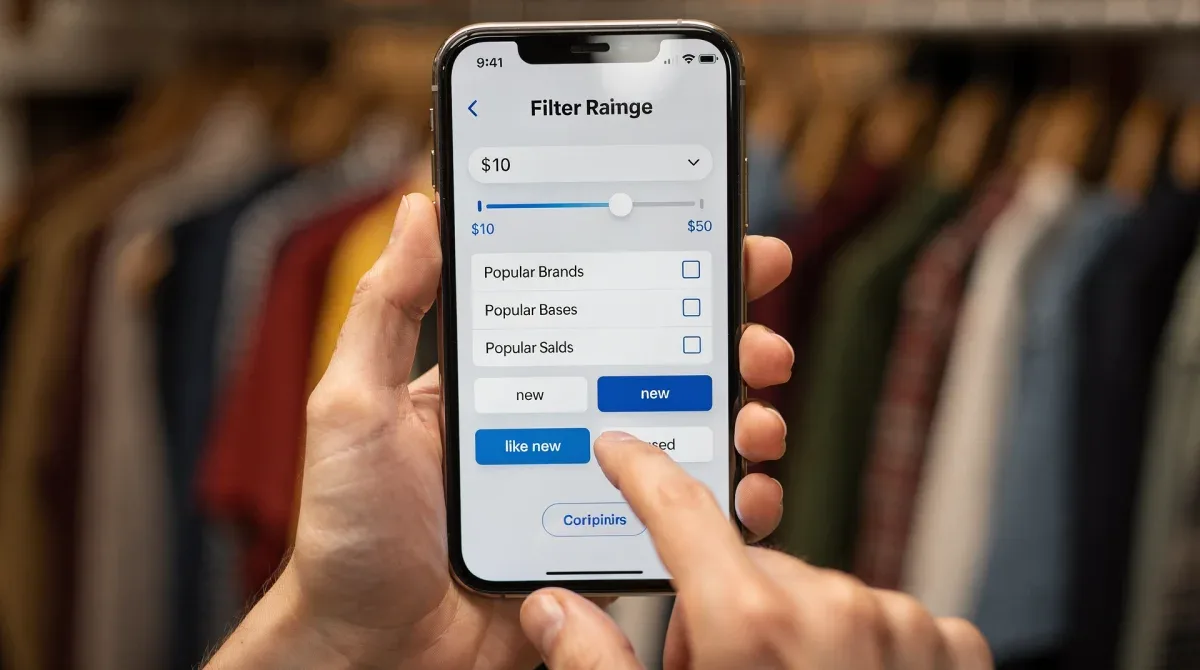
Moreover, combining brand and material filters can be incredibly potent. Imagine searching for 'Zara linen dress' or 'Levi's cotton jeans.' This level of specificity drastically narrows down the search, presenting you with a highly curated selection of items that meet both your brand preference and material quality requirements. This precision is what elevates a casual browse into a strategic hunt for exceptional value.
Identifying durable materials
Knowing which materials are inherently more durable can guide your filtering choices. Focusing on these can prevent 'false savings' where a cheap item quickly falls apart.
- Cotton: Versatile, breathable, and strong. Look for higher thread counts for better quality.
- Linen: Extremely durable, absorbent, and gets softer with age. Perfect for Brazil's climate.
- Wool: Resilient, warm, and naturally resistant to wrinkles and odors. Ideal for cooler weather items.
- Silk: Strong, soft, and luxurious. Requires careful handling but lasts long.
By prioritizing these materials, you invest in pieces that offer long-term value, making your 40% savings even more impactful over time.
In summary, harnessing brand and material specific filters is a game-changer for quality-conscious thrift shoppers. It allows you to sidestep inferior items and hone in on pieces that promise durability, comfort, and style, all while keeping your budget firmly in check.

Hack 3: Mastering condition filters and detailed descriptions
The condition of a pre-loved item is arguably one of the most critical factors in determining its true value and whether it genuinely represents a saving. Many online thrift platforms in Brasil offer condition filters, such as 'new with tags,' 'excellent,' 'good,' or 'fair.' Ignoring these can lead to purchases that require costly repairs or are simply unwearable, negating any initial savings. To achieve that 40% cost reduction while ensuring satisfaction, it's vital to master these filters and pay close attention to seller descriptions and photos.
Always prioritize items listed in 'new with tags' or 'excellent' condition if your budget allows. These items typically require no extra effort or expense on your part, offering the most direct path to savings. However, don't immediately dismiss 'good' condition items. Often, these pieces might have minor flaws that are easily fixed, such as a missing button or a small stain that can be removed. The trick is to scrutinize the seller's description and all available photos for detailed information about any imperfections.
A proactive approach involves directly messaging sellers for more details or additional photos if the listing is unclear. Ask specific questions about the extent of any wear, tear, or damage. For example, 'Are there any rips or tears not pictured?' or 'Can you confirm if the zipper is fully functional?' This due diligence is crucial for informed decision-making and ensures that the 40% saving you achieve is on an item you'll actually love and use. It transforms potential risk into a calculated opportunity, making your online thrift shopping in Brasil endeavors more successful.
Decoding seller descriptions and photos
Sellers often use specific terminology to describe item conditions. Familiarizing yourself with these terms and knowing how to interpret photos is essential.
- 'NWT' (New With Tags): Item is brand new, never worn, with original tags attached.
- 'EUC' (Excellent Used Condition): Item has been worn but shows no visible flaws or signs of wear.
- 'GUC' (Good Used Condition): Item shows minor signs of wear or small, fixable flaws.
- 'Fair': Item has noticeable flaws, but may still be functional or repairable.
Always zoom in on photos, looking for signs of pilling, fading, stretched fabric, or stains. If a seller only provides one blurry photo, consider asking for more or moving on. High-quality images and transparent descriptions are hallmarks of trustworthy sellers.
In essence, mastering condition filters and diligently reviewing descriptions and photos are non-negotiable steps for successful online thrift shopping. This meticulous approach safeguards your investment, ensuring that the savings you make are on items that genuinely enhance your wardrobe.
Hack 4: Utilizing size and fit filters effectively
One of the most common pitfalls in online fashion shopping, especially with pre-loved items, is purchasing something that doesn't fit correctly. This frustration can quickly negate any perceived savings if an item ends up unworn or requires expensive alterations. To truly slash used fashion costs by 40% and ensure every purchase is a success, mastering size and fit filters is absolutely essential. Brazilian sizing can vary, so a nuanced understanding of these filters, combined with personal measurements, is key.
Start by knowing your precise measurements for key garments: bust, waist, hips, inseam, and shoulder width. Don't rely solely on numerical sizes, as these can differ significantly between brands, countries, and even eras for vintage items. Many online thrift platforms in Brasil allow you to filter by specific measurements or provide detailed size charts. If a seller hasn't included measurements, don't hesitate to ask. A responsible seller will be happy to provide this information, demonstrating their commitment to a smooth transaction.
Furthermore, consider the fit you desire. Are you looking for a relaxed fit, a slim fit, or something oversized? Some platforms offer filters for 'fit type,' which can be incredibly helpful. If not, reading the item description for terms like 'loose,' 'tailored,' or 'bodycon' can guide your decision. Combining these descriptive terms with your size filters creates a powerful strategy for finding garments that not only fit your body but also align with your personal style. This meticulous approach minimizes returns and maximizes the value of your online thrift shopping in Brasil.
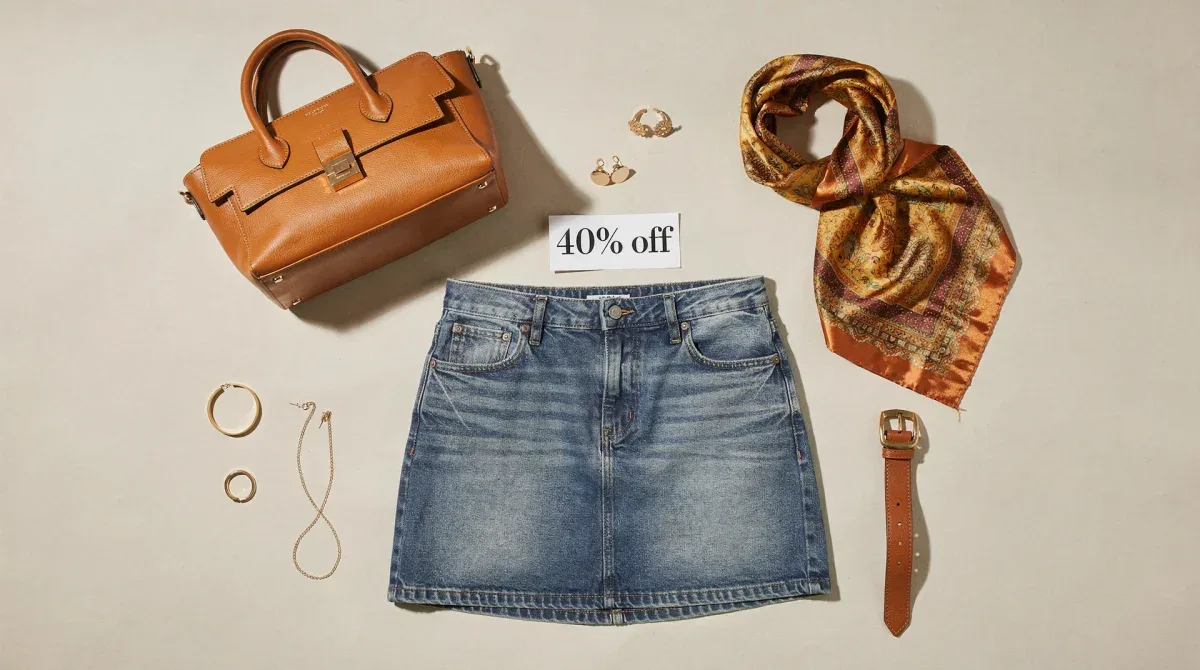
It's also beneficial to be aware of common sizing discrepancies. For example, vintage clothing often runs smaller than modern sizing, and European brands might have different numerical equivalents than Brazilian ones. Factor these potential variations into your search by perhaps looking at a size larger or smaller than your usual, especially if detailed measurements aren't provided. This flexibility can open up a wider range of suitable options.
Understanding garment measurements
To effectively use size filters, a basic understanding of how garments are measured is crucial. This knowledge empowers you to compare seller-provided measurements with your own.
- Bust: Measured across the fullest part of the chest.
- Waist: Measured at the narrowest part of the torso.
- Hips: Measured around the fullest part of the lower body.
- Inseam: Measured from the crotch seam to the hem of the pant leg.
- Shoulder: Measured from shoulder seam to shoulder seam across the back.
Always compare these measurements to a similar garment you already own and love the fit of. This provides a practical reference point.
In conclusion, precise use of size and fit filters, coupled with personal measurements and a keen eye for descriptive terms, is indispensable for successful online thrift shopping. It ensures that every item you purchase not only saves you money but also fits perfectly into your wardrobe and onto your body.
Hack 5: Strategic use of keyword searches and saved alerts
While filters are powerful, the true artisan of online thrift shopping in Brasil also leverages strategic keyword searches and saved alerts. This hack is about proactively seeking out specific items, rather than passively browsing, and ensuring you're among the first to know when a desired piece becomes available. By combining precise keywords with the ability to save your searches and receive notifications, you significantly increase your chances of finding rare gems and securing them before anyone else, often at that coveted 40% discount.
Think beyond generic terms. Instead of just 'dress,' try 'vintage floral midi dress' or 'silk slip dress size M.' The more specific your keywords, the more refined your results will be, cutting down on irrelevant listings. Consider brand names, specific styles (e.g., 'boho,' 'minimalist'), colors, patterns, and even materials. Experiment with synonyms and related terms. For example, if you're looking for a trench coat, also try 'gabardine coat' or 'raincoat.' This broad but targeted approach ensures you capture all potential listings for your desired item.
The real power of this hack comes with saved searches and alerts. Most reputable online thrift platforms in Brazil offer a feature to save your search criteria and notify you when new items matching those criteria are posted. This is invaluable, especially for highly sought-after brands or unique vintage pieces. Setting up alerts for your 'dream items' means you don't have to constantly check the site; the site does the work for you, directly notifying you of new opportunities. This proactive strategy is a game-changer for maximizing savings and finding exactly what you want.
Creating effective keyword combinations
Crafting the right keyword combinations is an art. It involves anticipating how sellers might describe an item and using those terms in your search.
- Brand + Item + Size: E.g., 'Farm Rio blouse P' (P for small in Portuguese).
- Style + Material + Color: E.g., 'boho linen white top'.
- Era + Item: E.g., '90s denim jacket'.
Don't forget to consider Portuguese terms for items if shopping on local Brazilian platforms, such as 'vestido' for dress, 'calça' for pants, or 'blusa' for blouse. This bilingual approach can unlock even more listings.
In essence, strategic keyword searches paired with saved alerts transform passive browsing into an active, highly efficient treasure hunt. This method ensures you're always ahead of the curve, ready to snap up those incredible deals and build a stylish wardrobe for less.
Maximizing your thrift game with complementary strategies
While the five filtering hacks are foundational for successful online thrift shopping in Brasil, integrating complementary strategies can further enhance your results and savings. The goal is not just to find cheap clothes, but to build a sustainable, stylish wardrobe efficiently and economically. This involves a holistic approach that extends beyond just the search bar, encompassing smart shopping habits, community engagement, and a keen eye for detail.
One crucial complementary strategy is to research seller ratings and reviews. Just as you would on any e-commerce site, checking a seller's reputation provides insights into their reliability, the accuracy of their descriptions, and their communication skills. High ratings and positive reviews indicate a trustworthy seller, minimizing the risk of receiving an item that doesn't match its description. This due diligence adds an extra layer of security to your purchases, ensuring that your 40% savings are on items from reputable sources.
Another powerful tactic is to consider seasonality. Certain items, like winter coats or swimsuits, will be more abundant and often cheaper during their off-season. Planning your purchases strategically can lead to significant savings. For example, buying a quality winter jacket in the Brazilian summer (when demand is low) can yield a much better deal than purchasing it in the middle of winter. This forward-thinking approach requires a bit of planning but pays off handsomely in cost reductions, making your thrift hunting even more effective.
Engaging with the thrift community
Many online thrift platforms foster a sense of community. Engaging with other shoppers and sellers can provide invaluable insights and opportunities.
- Follow favorite sellers: Get notified when they list new items that match your style.
- Join discussion forums: Learn about new platforms, best practices, and insider tips.
- Share your finds: Inspire others and potentially receive recommendations in return.
This community aspect adds a social dimension to your shopping, turning it into a shared experience rather than a solitary pursuit. It’s also a great way to discover new trends and styles within the sustainable fashion movement.
Finally, patience is a virtue in thrift shopping. The perfect item at the perfect price might not appear immediately. Consistent application of these hacks, combined with a patient attitude, will ultimately lead to the best finds. Don't rush; enjoy the hunt, and celebrate each successful acquisition that brings you closer to your fashion goals while saving money.
Sustainability and ethical consumption in Brazil
The act of online thrift shopping in Brasil extends far beyond just saving money; it's a powerful statement about sustainability and ethical consumption. In a world grappling with the environmental impact of fast fashion, choosing pre-loved garments significantly reduces your carbon footprint and supports a circular economy. This broader perspective adds a layer of purpose to your shopping habits, transforming each purchase into a contribution towards a more responsible and eco-conscious lifestyle. Understanding this impact can deepen your appreciation for the thrift market and reinforce your commitment to smart shopping.
The fashion industry is a major contributor to pollution, waste, and resource depletion. By opting for second-hand items, you divert clothing from landfills, conserve water and energy that would otherwise be used in new garment production, and reduce the demand for virgin materials. This makes thrift shopping an inherently sustainable practice. In Brazil, where environmental concerns are increasingly prominent, embracing this approach aligns with a growing national consciousness towards ecological preservation and responsible living. It's a tangible way for individuals to make a difference.
Moreover, ethical consumption in the context of thrift shopping also addresses concerns about labor practices in new garment manufacturing. Many fast fashion brands are criticized for exploitative labor conditions. By purchasing pre-owned items, you are not directly supporting these practices. Instead, you are giving a second life to existing garments, thereby reducing the need for new production and its associated ethical dilemmas. This shift in purchasing behavior empowers consumers to vote with their wallets for a more humane and equitable fashion industry, making your 40% savings even more impactful on a global scale.
The environmental benefits of buying pre-loved
The environmental advantages of choosing second-hand clothing are substantial and far-reaching.
- Reduced waste: Keeps clothes out of landfills, extending their lifecycle.
- Lower carbon emissions: Avoids the energy-intensive processes of manufacturing new garments.
- Water conservation: Saves the vast amounts of water required for cotton cultivation and fabric dyeing.
- Reduced chemical use: Less demand for pesticides in cotton fields and chemicals in textile processing.
Each thrifted item represents a small victory for the planet, demonstrating that style and sustainability can indeed go hand in hand. It's a tangible way to contribute to a healthier environment while still enjoying fashion.
In conclusion, viewing online thrift shopping through the lens of sustainability and ethical consumption elevates its importance. It transforms a simple act of saving money into a meaningful contribution to environmental protection and social responsibility, enriching the overall experience of finding those perfect pre-loved fashion pieces in Brazil.
| Key Filtering Hack | Brief Description |
|---|---|
| Advanced Price Range | Set precise budget limits to target items with significant discounts, maximizing savings. |
| Brand & Material Specifics | Filter by known brands and durable materials for quality items that last longer. |
| Condition Filters | Prioritize 'excellent' or 'good' conditions, carefully reviewing descriptions for flaws. |
| Keyword Searches & Alerts | Use specific keywords and save searches to get notified of desired items quickly. |
Frequently asked questions about online thrift shopping
What are the best platforms for online thrift shopping in Brazil?▼Several platforms excel for online thrift shopping in Brazil, including Enjoei, Repassa, and Garimpou. These sites offer a vast selection of pre-loved fashion items, from everyday wear to designer pieces. Each platform has unique features, so exploring a few will help you find the one that best suits your needs and style preferences.
How can I ensure the quality of an item when buying online?▼To ensure quality, always scrutinize seller photos and detailed descriptions. Look for terms like 'new with tags' or 'excellent used condition.' Don't hesitate to ask sellers for more pictures or specific details about any flaws. Checking seller ratings and reviews is also crucial for gauging reliability and product accuracy.
Is it safe to buy clothes from unknown sellers on thrift platforms?▼It can be safe if you follow best practices. Always check seller reviews and ratings, especially from new or less-known sellers. Use platform-protected payment methods and communicate through the app's messaging system. If a deal seems too good to be true, exercise caution. Trust your instincts and prioritize sellers with good track records.
How can I find specific brands or styles when thrifting online?▼Utilize advanced search filters for brands, materials, and specific keywords. Be precise in your search terms, combining brand names with item types and sizes. Many platforms allow you to save searches and set up alerts, notifying you when new items matching your criteria are listed. This proactive approach helps you find desired items quickly.
What are the environmental benefits of online thrift shopping?▼Online thrift shopping significantly contributes to environmental sustainability by reducing textile waste in landfills. It conserves water and energy used in new garment production and lessens the demand for virgin resources. By extending the life cycle of clothing, you help mitigate the fashion industry's carbon footprint and promote a more circular economy.
Conclusion
Mastering online thrift shopping in Brasil is not merely about finding a good deal; it's about transforming your approach to fashion consumption. By strategically applying these five proven filtering hacks—leveraging advanced price ranges, utilizing brand and material specifics, mastering condition filters, effectively using size and fit options, and employing strategic keyword searches with saved alerts—you gain unparalleled control over your budget and wardrobe. This comprehensive strategy empowers you to consistently slash your used fashion costs by 40% or more, while simultaneously embracing sustainable and ethical consumption practices. The journey of discovering unique, quality pieces at unbeatable prices becomes not just a shopping trip, but a rewarding endeavor that benefits both your wallet and the planet.
