Fast-Fashion Linen Blends: Worth It Under R$120?
Fast-fashion linen blends can be a cost-effective option for consumers in Brazil seeking style and comfort under R$120, but careful consideration of fabric composition and garment construction is essential to ensure value and longevity.
Have you ever wondered if those incredibly tempting fast-fashion linen blends, priced under R$120 at your favorite national retailers, are truly a smart buy? Many of us are drawn to the allure of linen's breathable elegance, especially in Brazil's climate, but the budget-friendly versions often come with questions about quality and durability. Let's delve into what these blends really offer and if they stand up to expectations.
Understanding linen blends: what are they made of?
Linen, derived from the flax plant, is renowned for its strength, breathability, and natural luster. However, pure linen can be prone to wrinkling and often comes with a higher price tag. This is where linen blends come into play, especially in the fast-fashion market. Blending linen with other fibers allows manufacturers to reduce costs, improve drape, and sometimes even minimize wrinkling.
Common blending partners for linen include cotton, viscose (rayon), and polyester. Each of these fibers brings its own characteristics to the mix. Cotton adds softness and makes the fabric more opaque. Viscose, a semi-synthetic fiber made from wood pulp, can give the blend a silkier feel and enhance drape. Polyester, a synthetic fiber, is often used for its wrinkle-resistance and durability, though it can reduce breathability.
Fiber composition and its impact
The specific percentages of each fiber in a blend significantly affect the garment's properties. A blend with a higher percentage of linen will retain more of linen's natural characteristics, such as breathability and texture, but might also be more prone to wrinkling. Conversely, a higher percentage of polyester might make the fabric more resilient to wrinkles and wear, but potentially less breathable and prone to pilling.
- Linen-Cotton Blends: Offer a good balance of breathability, softness, and natural feel. They are generally comfortable and moderately durable.
- Linen-Viscose Blends: Provide a softer, more fluid drape, often with a slight sheen. They can feel luxurious but might be less durable than cotton blends.
- Linen-Polyester Blends: Excellent for wrinkle resistance and durability. However, they may feel less natural and can be less breathable, which is a significant consideration in warmer climates.
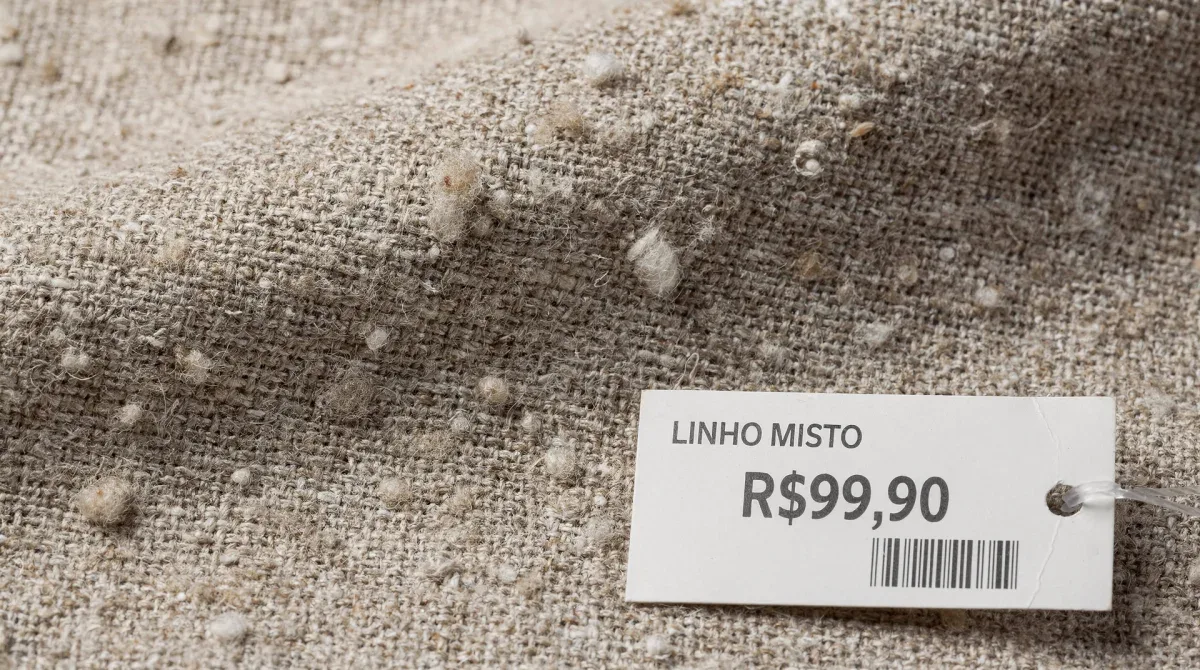
When evaluating fast-fashion linen blends, always check the care label for the exact fiber composition. This information is crucial for understanding how the garment will feel, perform, and how it should be cared for to maximize its lifespan. A blend with a minimal amount of linen, say 10-20%, might offer very little of linen's desirable qualities, effectively making it a mislabeled item in terms of customer expectation.
In summary, understanding what linen blends are made of is the first step in determining their value. The choice of blending fibers and their proportions directly influences the garment's comfort, appearance, and longevity, making label inspection a critical habit for smart shoppers.
Analyzing quality in budget fast-fashion linen blends
When shopping for linen blends under R$120, the expectation of premium quality must be tempered with the reality of fast-fashion production. However, even within this budget, there are discernible differences in quality that can impact your satisfaction and the garment's lifespan. It's not just about the blend composition; construction, finishing, and overall feel play significant roles.
The quality of stitching, for instance, is a key indicator. Look for even, tight stitches without loose threads or skipped areas. Seams should lie flat and not pucker. Poor stitching can lead to garments falling apart after just a few washes. Another aspect to consider is the fabric's consistency. High-quality linen blends, even at a lower price point, should have a relatively uniform weave, free from obvious defects or unevenness in color.
The drape and hand-feel of the fabric are also important. While a budget blend might not have the luxurious feel of pure linen, it should still feel pleasant against the skin and drape well on the body. If the fabric feels stiff, overly synthetic, or scratchy, it's likely a lower-quality blend that might not offer the comfort associated with linen.
Key quality indicators to look for
- Stitching: Even, strong, and consistent stitches. Check for reinforced seams in stress areas like armholes and side seams.
- Fabric Consistency: Uniform weave, consistent color, and no visible flaws or thin spots in the fabric.
- Buttonholes and Zippers: Should be neatly finished without loose threads. Zippers should glide smoothly.
- Lining (if applicable): If the garment is lined, the lining fabric should be soft and well-attached, not flimsy or poorly sewn.
It's also worth considering the garment's finish. Are there any loose threads? Are hems neatly folded and sewn? These small details often indicate the overall care taken in production. While minor imperfections are somewhat expected in fast fashion, excessive flaws can be a red flag. A quick visual inspection and a gentle tug on seams can reveal a lot about the garment's construction quality.
Ultimately, assessing quality in budget fast-fashion linen blends involves a keen eye for detail and a realistic understanding of what R$120 can buy. While you might not get heirloom quality, you can still find pieces that are well-made enough to last for a reasonable period if you know what to look for.
Comparing national retailers: C&A, Renner, Riachuelo, and Zara
Brazil's fast-fashion landscape is dominated by a few key players, each with its own approach to trends, pricing, and material sourcing. When it comes to fast-fashion linen blends under R$120, C&A, Renner, Riachuelo, and Zara are frequently visited by budget-conscious shoppers. Each offers a distinct experience, and understanding their nuances can help you make a more informed purchase.
C&A often positions itself as a family-friendly retailer with a wide variety of styles. Their linen blends tend to lean towards classic, versatile pieces. You might find a good selection of shirts and dresses, often with a higher percentage of viscose or cotton mixed with linen, providing a softer hand-feel. The pricing is generally competitive, and sales can offer excellent opportunities to snag items well under the R$120 mark.
Renner is known for its trendy collections and slightly more fashion-forward offerings. Their linen blends often incorporate contemporary cuts and colors. They might experiment more with different blend compositions, sometimes including a higher percentage of synthetic fibers for specific design effects or wrinkle resistance. Quality can vary, so it's essential to inspect items carefully. Renner's loyalty programs and frequent promotions can make their linen blends quite affordable.
Riachuelo often balances classic and trendy, appealing to a broad demographic. Their linen blend garments might feature more earthy tones and relaxed silhouettes, aligning with a casual chic aesthetic. They generally offer a decent mix of linen with cotton or viscose. Like other fast-fashion retailers, Riachuelo's pricing is aggressive, and their frequent new arrivals mean a constant rotation of linen blend options.
Zara, while often perceived as a step above in terms of trend replication and aesthetic, also offers items under R$120, especially during sales or for simpler pieces. Their linen blends tend to be more fashion-forward, with an emphasis on current runway trends translated into accessible garments. Zara's blends might sometimes feature a higher synthetic content to achieve specific drapes or finishes, so checking the label is paramount. The perceived value often comes from the stylish design rather than superior fabric quality at this price point.
When comparing these retailers, consider not only the price but also the style, fiber composition, and the overall feel of the garment. What one retailer offers in terms of design, another might offer in slightly better fabric comfort, all while staying within the R$120 budget. Each store caters to slightly different tastes, so a visit to each can reveal distinct options.
Durability and care: extending the life of your blend
One of the biggest concerns with fast-fashion purchases, especially budget-friendly linen blends, is their durability. Will they last beyond a few washes, or are they destined for a short life in your wardrobe? The lifespan of your garment largely depends on the fiber composition and, crucially, how you care for it.
Linen itself is a strong fiber, but blending it with weaker fibers like certain types of viscose can reduce its overall resilience. Polyester blends, on the other hand, might offer enhanced durability and wrinkle resistance. The key is to understand that these blends are not pure linen and often require different care than 100% linen items. Ignoring care instructions can lead to shrinkage, fading, pilling, or the garment losing its shape.
Essential care tips for linen blends
- Read the Label: Always follow the specific care instructions on the garment's label. This is the most important step.
- Gentle Washing: Most linen blends benefit from gentle machine washing in cold water with a mild detergent. Avoid harsh chemicals or bleach.
- Air Drying: Tumble drying on high heat can cause shrinkage and damage fibers. Air drying or tumble drying on a low setting is usually best.
- Ironing: Iron while slightly damp on a medium heat setting, especially for blends with a higher linen or cotton content, to smooth out wrinkles effectively.
Proper storage also contributes to durability. Store linen blend garments in a cool, dry place, ideally folded to prevent stretching on hangers, especially for knits or heavier weaves. Protecting them from direct sunlight can also prevent fading over time. Small repairs, such as re-sewing a loose button or mending a minor tear, can significantly extend the life of a garment, transforming it from a short-term trend into a more sustainable piece.
By adopting mindful care practices, you can significantly prolong the life of your fast-fashion linen blends. This not only makes your purchase more worthwhile but also contributes to a more sustainable approach to fashion, reducing waste and the need for constant replacements.
Style and versatility: integrating blends into your wardrobe
Despite the potential quality caveats, fast-fashion linen blends under R$120 offer remarkable style and versatility, making them a popular choice for many. Their natural texture and breathable qualities make them ideal for Brazil's warm climate, easily transitioning from casual daytime wear to more polished evening looks. The key lies in strategic styling and understanding how these blends can elevate your existing wardrobe.
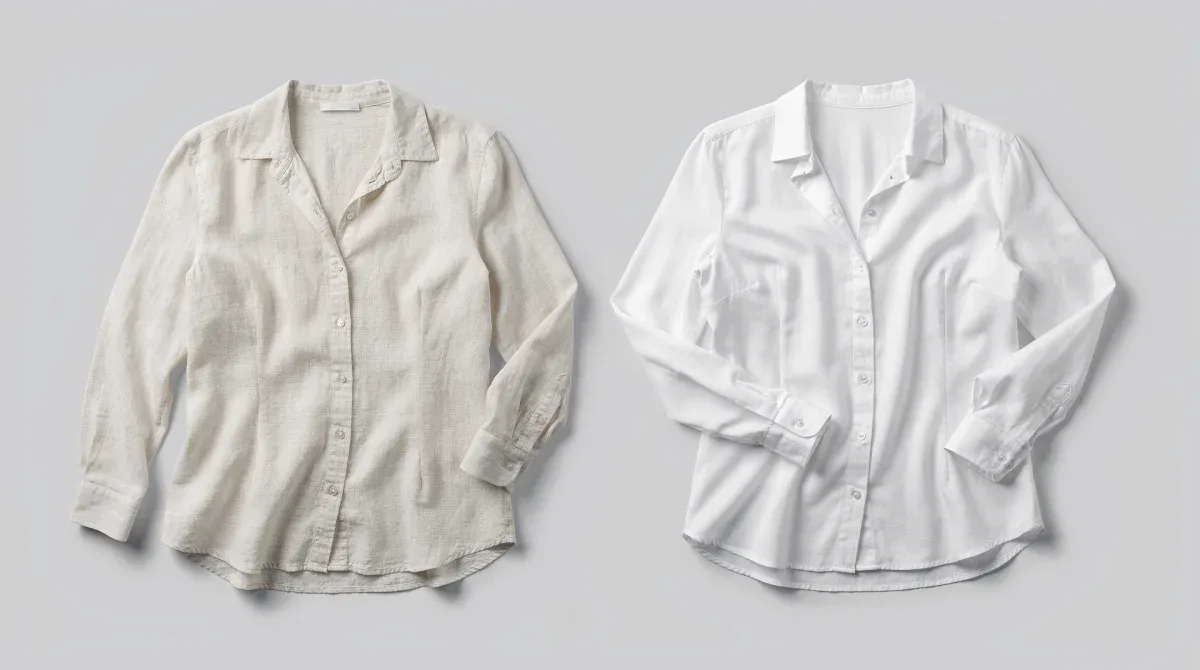
Linen blend shirts and blouses are perfect for a relaxed yet put-together look. Pair them with denim shorts or light-colored trousers for a casual outing, or tuck them into a midi skirt for a smart-casual office ensemble. The inherent texture of linen adds visual interest, making even simple outfits appear more sophisticated. The breathable nature ensures comfort throughout the day, which is invaluable in tropical climates.
Maximizing your linen blend style
For dresses and skirts, linen blends often come in flowing silhouettes that are both comfortable and elegant. A linen blend sundress can be dressed up with espadrilles and statement jewelry for a summer evening, or kept casual with sandals and a straw hat for a beach day. The fabric's ability to absorb and release moisture quickly makes it a practical choice for various activities without feeling clammy.
Consider layering as well. A linen blend blazer or vest can add a touch of sophistication to a simple t-shirt and jeans combination. While some fast-fashion linen blends might be thinner, strategic layering can enhance their drape and create a more substantial look. The natural, slightly rumpled look of linen blends also adds to their charm, embodying an effortless chic that is highly sought after.
The versatility of fast-fashion linen blends means they can be incorporated into almost any wardrobe, regardless of personal style. From minimalist aesthetics to bohemian vibes, these pieces serve as excellent foundational items. Their ability to blend comfort with a touch of elegance makes them a smart addition for anyone looking to enhance their style without breaking the bank.
The environmental and ethical considerations
Beyond price and personal style, it's increasingly important to consider the environmental and ethical implications of fast-fashion purchases, including linen blends. While linen is often lauded as a more sustainable fiber due to its lower water and pesticide requirements compared to cotton, the fast-fashion model presents its own set of challenges.
The rapid production cycles and high volume of fast-fashion garments contribute significantly to waste and pollution. Even if a linen blend contains a natural fiber, the overall environmental footprint can be substantial due to dyeing processes, transportation, and the sheer quantity of items produced and often discarded quickly. Blends with synthetic fibers like polyester, derived from petroleum, add another layer of environmental concern, as these materials are not biodegradable and contribute to microplastic pollution.
Ethical sourcing and labor practices
The ethical aspect of fast fashion is also a critical consideration. The push for low prices often comes at the expense of fair labor practices in manufacturing countries. Workers in fast-fashion supply chains frequently face low wages, long hours, and unsafe working conditions. While major retailers might have codes of conduct, ensuring strict adherence throughout complex global supply chains remains a challenge.
- Water Usage: While flax (linen) requires less water than cotton, the manufacturing processes for blending fibers and dyeing still consume significant water.
- Chemical Use: Dyes and finishes used in fast fashion can contain harmful chemicals that pollute water sources and impact worker health.
- Waste Generation: The fast-fashion model encourages overconsumption, leading to massive textile waste in landfills.
For consumers seeking to make more conscious choices, it's a balancing act. While fast-fashion linen blends offer affordability, recognizing their broader impact is crucial. Supporting brands that are transparent about their supply chains and actively working towards more sustainable and ethical practices, even within the fast-fashion realm, can make a difference. Opting for durability, caring for garments to extend their life, and choosing to buy fewer, more versatile pieces are all steps towards mitigating these impacts.
Understanding these considerations allows consumers to make more informed decisions, balancing their budget with their values. It's about being a conscious consumer rather than simply a consumer, even when navigating the appealing prices of fast fashion.
Making an informed decision: are they worth it?
After examining the various facets of fast-fashion linen blends under R$120 from national retailers, the question remains: are they worth it? The answer isn't a simple yes or no; it's nuanced and depends heavily on your priorities, expectations, and how you approach your purchases.
If your primary goal is to achieve a stylish, breathable look for a specific season or occasion without a significant financial outlay, then these blends can absolutely be worth it. They offer an accessible entry point into the aesthetic of linen, providing comfort and a fashionable edge at a price point that is hard to beat. For those who enjoy frequently updating their wardrobe with new trends, fast-fashion linen blends allow for experimentation without major investment.
However, if your priority is long-term durability, minimal environmental impact, or a garment that feels indistinguishable from pure, high-quality linen, then these budget blends might fall short. The trade-offs in fabric composition, construction quality, and ethical sourcing are inherent to the fast-fashion model. Expecting these pieces to last for many years or to feel like luxury items might lead to disappointment.
Balancing budget and expectations
The key to making an informed decision lies in balancing your budget with realistic expectations. When you find a fast-fashion linen blend that fits well, feels comfortable, and has decent stitching, it can be a valuable addition to your wardrobe. The trick is to be a discerning shopper: inspect garments thoroughly, understand the fiber content, and commit to proper care to maximize their lifespan.
For the Brazilian consumer facing high temperatures and seeking stylish, breathable options under R$120, fast-fashion linen blends offer a compelling solution. They provide a practical way to stay cool and fashionable without overspending. By being mindful of quality indicators and embracing responsible consumption practices, you can make these budget-friendly pieces work effectively for you.
Ultimately, the worth of fast-fashion linen blends is subjective. They serve a purpose in the market by making certain styles accessible. For the savvy shopper, they represent an opportunity to blend affordability with fashion-forward choices, provided they are approached with a clear understanding of their benefits and limitations.
| Key Point | Brief Description |
|---|---|
| Fiber Composition | Linen blends mix linen with cotton, viscose, or polyester to balance cost, feel, and durability. |
| Quality Indicators | Check stitching, fabric consistency, and overall finish to assess value in budget garments. |
| Retailer Comparisons | C&A, Renner, Riachuelo, and Zara offer varied styles and blends under R$120, catering to different tastes. |
| Care and Durability | Proper care according to label instructions is crucial for extending the lifespan of linen blend garments. |
Frequently asked questions about fast-fashion linen blends
What are the main benefits of linen blends over pure linen in fast fashion?▼Linen blends in fast fashion are typically more affordable, less prone to wrinkling, and can offer a wider range of textures and drapes due to the inclusion of other fibers like cotton or viscose. This makes them more accessible and versatile for everyday wear.
How can I tell if a fast-fashion linen blend is of good quality?▼Look for even, strong stitching, consistent fabric weave without flaws, and a pleasant hand-feel. Avoid items with loose threads, puckered seams, or a stiff, overly synthetic texture. Checking the fiber composition label is also crucial.
Are fast-fashion linen blends suitable for hot Brazilian weather?▼Yes, many linen blends are excellent for hot weather due to linen's natural breathability. Blends with a higher percentage of natural fibers like cotton or viscose will generally offer better airflow and moisture-wicking properties than those with high polyester content.
What is the best way to care for my fast-fashion linen blend garments?▼Always follow the garment's care label. Generally, gentle machine washing in cold water, using mild detergent, and air drying or low-heat tumble drying are recommended to prevent shrinkage and maintain fabric integrity.
Do fast-fashion linen blends contribute to textile waste?▼While linen itself is more sustainable, the fast-fashion model's rapid production and consumption cycles contribute significantly to textile waste. To mitigate this, focus on buying durable pieces, caring for them properly, and reducing overall consumption.
Conclusion
The journey through the world of fast-fashion linen blends under R$120 reveals a landscape of accessible style, comfort, and a few compromises. For the budget-conscious consumer in Brazil, these blends offer a compelling way to embrace the aesthetic and breathable qualities of linen without a substantial investment. By understanding fiber compositions, inspecting for quality indicators, and committing to proper garment care, shoppers can maximize the value and lifespan of their purchases. While ethical and environmental considerations remain important, making informed choices allows for a balanced approach to budget fashion. Ultimately, the worth of these blends is found in their ability to meet individual needs and expectations, proving that smart shopping can indeed lead to satisfying wardrobe additions.
