Beat Import Tax: 6 Domestic Runway Looks Under R$ 150
Brazilian consumers can confidently navigate rising import taxes by exploring six fantastic domestic fashion alternatives, allowing them to achieve runway-inspired looks for under R$ 150 while supporting local brands and embracing affordable, stylish choices.
Are you feeling the pinch of increasing import taxes on your favorite international fashion finds? It's a common concern, especially for those who love to stay on trend without overspending. However, there's a brilliant solution right here at home: exploring domestic fashion alternatives. In Brazil, a vibrant and growing local fashion scene offers incredible opportunities to secure runway-inspired looks for under R$ 150, allowing you to bypass those frustrating import fees and support local talent.
Understanding the impact of import taxes on fashion
The landscape of global commerce is constantly shifting, and for fashion enthusiasts in Brazil, this often translates to a direct impact on their wallets, particularly concerning imported goods. Recent adjustments to import taxes have made many international brands less accessible, pushing up prices and making those coveted runway-inspired pieces seem out of reach. This economic reality compels us to reconsider our shopping habits and look closer to home for stylish, affordable solutions.
Import taxes are essentially duties levied by the government on goods brought into the country. These taxes are designed to protect domestic industries, generate revenue, and sometimes regulate consumption. While they serve various economic purposes, for the average consumer, they represent an additional cost layered onto the original price of an item, shipping fees, and sometimes even currency conversion rates. This cumulative effect can make an item that seems affordable abroad become significantly more expensive by the time it reaches your doorstep in Brazil.
The ripple effect on consumer choices
When import taxes rise, consumers face a dilemma: either pay the higher price, seek out cheaper international alternatives (which might still incur substantial taxes), or pivot towards domestic options. For many, the latter becomes an increasingly attractive proposition. The desire for trendy, high-quality fashion doesn't diminish, but the means to acquire it must adapt to economic realities. This shift can be a catalyst for discovering the richness and diversity of local Brazilian fashion, which often offers comparable style and quality at a fraction of the cost, free from the burden of import duties.
- Increased overall cost: Import taxes directly inflate the final price of clothing, making international brands less competitive.
- Reduced purchasing power: Consumers can buy fewer items or must compromise on quality due to budget constraints imposed by taxes.
- Longer delivery times: Customs processing can add significant delays to the arrival of imported fashion items.
- Unpredictable total cost: The final price can be uncertain until the item clears customs, leading to unexpected expenses.
In conclusion, understanding the impact of import taxes is crucial for making informed fashion decisions. It highlights the economic advantages of exploring local markets and embracing domestic brands, which are not subject to these additional levies. By doing so, consumers can maintain their style quotient while making financially savvy choices in the face of evolving global trade policies.
Why domestic fashion is your new best friend for budget-friendly style
Embracing domestic fashion isn't just about avoiding import taxes; it's a strategic move towards sustainable, ethical, and incredibly stylish consumption. Brazil's fashion industry is a dynamic ecosystem, brimming with talented designers, skilled artisans, and innovative brands that offer a vast array of clothing options. These local businesses often operate with a keen understanding of the Brazilian consumer's preferences, climate, and cultural nuances, resulting in designs that are both relevant and appealing.
One of the most compelling reasons to choose domestic fashion is the direct support it provides to the national economy. Every purchase from a local brand contributes to job creation, stimulates local production, and helps foster a more robust internal market. This virtuous cycle strengthens communities and ensures that more of your money stays within Brazil, benefiting fellow citizens and local entrepreneurs. Beyond the economic benefits, domestic brands frequently prioritize local materials and ethical production practices, which can align with a more conscious consumer mindset.
Access to unique designs and quality craftsmanship
Brazilian designers are known for their creativity and ability to blend global trends with local aesthetics. This means you can find pieces that are not only fashionable but also possess a unique character that sets them apart from mass-produced international items. Many domestic brands pride themselves on quality craftsmanship, using durable fabrics and meticulous detailing that ensure longevity. This focus on quality means your R$ 150 investment goes further, offering garments that withstand the test of time and trends.
- Economic support: Boosts local economies, creates jobs, and strengthens national industries.
- Unique aesthetic: Offers designs that blend global trends with distinct Brazilian cultural influences.
- Ethical production: Many local brands adhere to fair labor practices and sustainable sourcing.
- Faster availability: No customs delays or prolonged shipping times, meaning quicker access to new collections.
- Better fit and sizing: Clothing often designed with the typical Brazilian body type in mind.
Ultimately, domestic fashion serves as a powerful ally for anyone looking to maintain a stylish wardrobe without succumbing to the financial burden of import taxes. It's an invitation to discover a world of creativity, quality, and conscious consumption right within your own country's borders.
Decoding runway trends for under R$ 150: key styles to look for
The allure of runway fashion is undeniable, but the price tags are often prohibitive. The good news is that you don't need a designer budget to capture the essence of high fashion. Many of the most impactful runway trends are surprisingly versatile and can be translated into everyday wear using affordable, domestically sourced pieces. The trick lies in understanding the core elements of a trend and finding local alternatives that embody those characteristics.
For instance, if oversized blazers are dominating the runways, look for structured blazers in local stores or online marketplaces that offer a similar relaxed yet polished silhouette. The fabric might not be designer silk, but a well-cut polyester blend or cotton twill can achieve a strikingly similar effect. Similarly, vibrant color blocking, a recurring favorite, can be recreated by combining solid-colored pieces from budget-friendly Brazilian brands. The key is to focus on the shape, color palette, and overall mood of the trend rather than specific labels.
Spotting affordable domestic gems
To successfully integrate runway trends into your R$ 150 budget, cultivate an eye for detail and a willingness to explore. Look for local brands that specialize in basics, as these can be foundational for building trendy outfits. Pay attention to fabric compositions; while natural fibers are often preferred, modern synthetic blends can offer excellent drape, durability, and a luxurious feel without the hefty price tag. Don't shy away from smaller, independent designers who often offer unique, handcrafted items that stand out.
- Structured silhouettes: Seek out tailored pieces like wide-leg pants, oversized shirts, and blazers that mimic runway shapes.
- Bold colors and prints: Embrace vibrant hues and interesting patterns that are currently trending.
- Textural play: Look for items with interesting textures like ribbed knits, faux leather, or soft corduroy.
- Minimalist elegance: Simple, clean lines and monochromatic outfits are always chic and easy to replicate affordably.
By focusing on these adaptable elements, you can skillfully navigate the domestic fashion market to find pieces that echo the latest runway looks, all while keeping your spending well under R$ 150. It’s about smart shopping and creative styling, transforming budget finds into high-fashion statements.
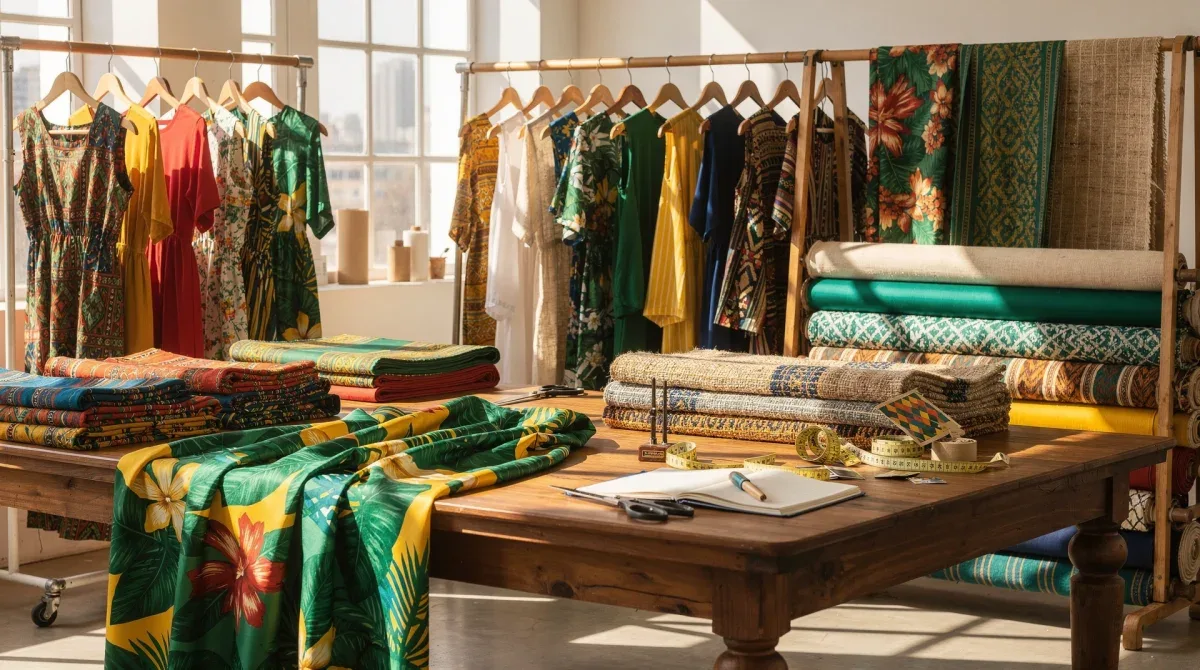
Top 6 Brazilian brands offering runway-inspired looks under R$ 150
Navigating the vast Brazilian fashion market to find affordable, stylish pieces can be a delightful adventure. Many local brands are stepping up, providing fashion-forward options that rival international trends without the prohibitive price tag. Here are six excellent domestic alternatives where you can discover runway-inspired looks, all while keeping your budget comfortably under R$ 150.
These brands often excel in specific categories, from elevated basics to trendy statement pieces, making it easier to build a versatile and chic wardrobe. They understand the Brazilian consumer's desire for quality, comfort, and style, often incorporating local influences into their designs. By supporting these brands, you’re not only saving money but also investing in the growth and innovation of the national fashion industry.

1. C&A Brazil: Fast fashion with a local touch
C&A is a powerhouse in Brazilian fast fashion, consistently offering a wide range of trendy clothes that quickly adapt to global runway influences. Their extensive collections mean you can find everything from sophisticated workwear to casual weekend outfits. They often collaborate with Brazilian designers, bringing high-fashion aesthetics to an accessible price point. Look out for their seasonal drops that mirror current trends in silhouettes, colors, and prints.
2. Renner: Diverse styles for every occasion
Renner is another strong contender, known for its diverse offerings that cater to various styles and age groups. They are particularly good at translating high-fashion concepts into wearable, affordable pieces. Whether you're looking for a structured blazer, a flowy dress, or chic accessories, Renner often has options that reflect current runway trends, all within the R$ 150 budget. Their strong online presence and frequent sales make it even easier to snag a deal.
3. Riachuelo: Trendy and accessible fashion
Riachuelo has carved out a niche for itself by offering trendy, accessible fashion that doesn't compromise on style. They are quick to pick up on emerging trends, from specific color palettes to popular garment constructions. You can often find stylish jeans, statement tops, and fashionable outerwear that echo designer aesthetics, making it simple to create a runway-inspired look without overspending. Their collaborations with local artists and influencers also bring fresh perspectives to their collections.
4. Amaro: Online-first with curated collections
Amaro stands out as an online-first brand that delivers curated collections with a modern, sophisticated edge. They are particularly strong in offering minimalist chic and contemporary pieces that often look far more expensive than they are. Amaro focuses on quality fabrics and thoughtful designs, making it possible to find elegant dresses, tailored trousers, and stylish blouses that embody a high-fashion sensibility, usually with options well under R$ 150 during sales or for core items.
5. Dafiti (Private Labels): Value and variety
While Dafiti is primarily an e-commerce platform, their private labels (such as FiveBlu, Colcci Fun, and Tricae) offer a huge variety of styles at competitive prices. These in-house brands are often designed to capture popular trends, providing fashionable items across different categories. By exploring Dafiti's own brands, you can uncover hidden gems that align with current runway aesthetics, from casual wear to more formal options, all within the budget.
6. Marisa: Everyday fashion with a trendy twist
Marisa is a long-standing Brazilian retailer known for its focus on everyday fashion for women, but they consistently incorporate current trends into their collections. You can find stylish basics, as well as more fashion-forward pieces like patterned skirts, chic blouses, and versatile knitwear that can be easily styled to achieve a runway-inspired look. Their accessible price points and frequent promotions make them an excellent choice for budget-conscious fashionistas.
In summary, these Brazilian brands demonstrate that high-fashion aesthetics are well within reach, even with a strict budget. By exploring their diverse offerings, you can confidently build a wardrobe that is both trendy and financially responsible, bypassing the headache of import taxes entirely.
Styling tips: creating high-fashion looks with budget buys
Achieving a high-fashion look doesn't require an unlimited budget; it demands creativity, a keen eye, and smart styling techniques. With your newfound knowledge of affordable Brazilian brands, the next step is to master the art of combining these budget buys to create outfits that exude runway sophistication. It's about how you wear the clothes, not just the labels they carry.
One of the most effective strategies is to focus on fit. Even the most expensive garment can look cheap if it doesn't fit properly, and conversely, an inexpensive item can look luxurious when tailored to perfection. Consider investing a small amount in alterations for key pieces like trousers or blazers. This small adjustment can make a world of difference, giving your clothes a custom-made feel. Another crucial element is understanding color palettes. Monochromatic outfits or carefully chosen complementary colors always appear more polished and intentional.
Accessorizing like a pro
Accessories are your secret weapon in elevating an outfit. A simple domestic dress can be transformed with the right belt, a chic pair of shoes, or a statement necklace. Look for accessories that have interesting textures, unique designs, or a pop of color. Scarves, for example, are incredibly versatile and can add a touch of elegance or a playful vibe, depending on how you style them. Remember, quality over quantity applies here; a few well-chosen accessories can make a bigger impact than a pile of cheap ones.
- Focus on fit: Tailor inexpensive items for a custom, high-end appearance.
- Master color coordination: Opt for monochromatic looks or sophisticated color pairings.
- Strategic accessorizing: Use belts, shoes, and jewelry to elevate simple outfits.
- Mix textures: Combine different fabrics like knitwear with faux leather or silk to add depth.
- Pay attention to grooming: Neat hair, subtle makeup, and well-maintained nails contribute significantly to an overall polished look.
By applying these styling tips, you can confidently create high-fashion looks using your budget-friendly domestic finds. It's all about intentionality and attention to detail, proving that great style is accessible to everyone, regardless of their budget.
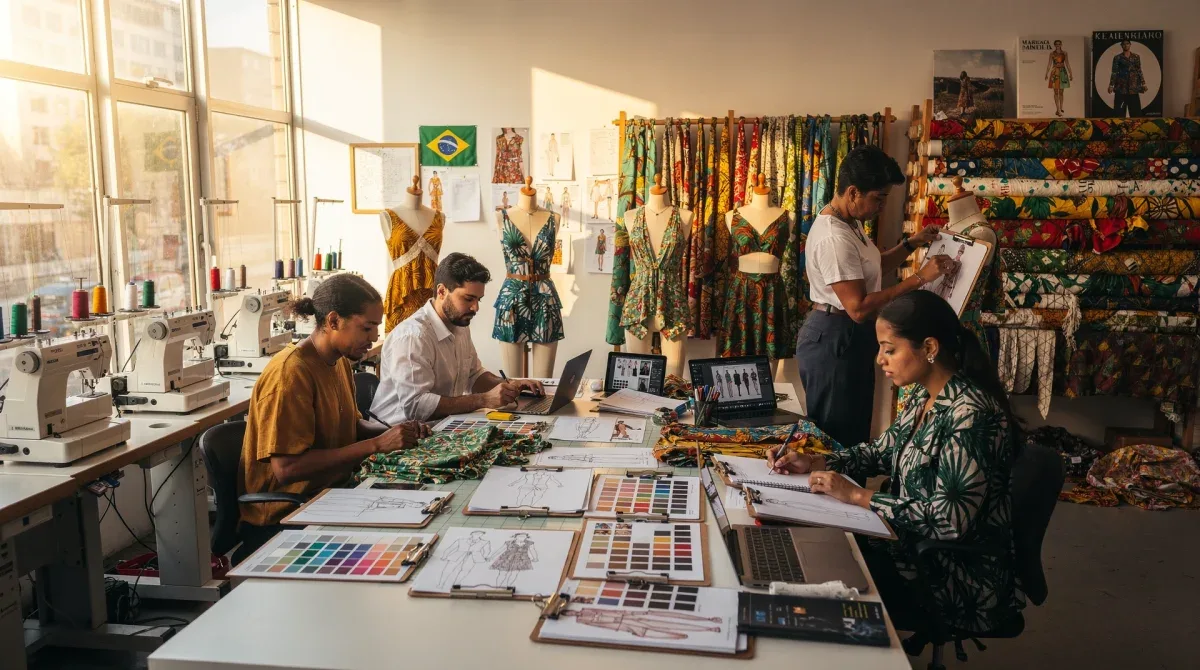
Beyond the price tag: supporting local and sustainable fashion
While beating import tax increases and staying within a R$ 150 budget are compelling reasons to explore domestic fashion, the benefits extend far beyond personal savings. Choosing local brands is a powerful statement of support for an industry that is increasingly focusing on sustainable and ethical practices. Many Brazilian designers and manufacturers are committed to reducing their environmental footprint, ensuring fair labor conditions, and using responsibly sourced materials.
This commitment to sustainability often manifests in various ways, from utilizing organic cotton and recycled fabrics to implementing water-saving dyeing processes and minimizing waste. By purchasing from these brands, consumers become an integral part of this positive change, contributing to a more responsible and equitable fashion ecosystem. It's a choice that aligns personal style with broader societal values, fostering a sense of purpose beyond mere consumption.
The rise of conscious consumerism in Brazil
There's a growing movement in Brazil towards conscious consumerism, where shoppers are increasingly scrutinizing the origins and production methods of their clothing. This awareness is driving demand for transparency and accountability from fashion brands. Local businesses, often with closer ties to their supply chains, are better positioned to meet these demands, offering consumers peace of mind that their purchases are not contributing to exploitative labor or environmental degradation.
- Environmental impact: Reduced carbon footprint due to shorter supply chains and often more sustainable production methods.
- Ethical labor: Support for fair wages and safe working conditions within Brazil.
- Community empowerment: Strengthening local economies and fostering artisanal skills.
- Innovation in materials: Encouraging the development and use of eco-friendly fabrics and processes.
In conclusion, embracing domestic fashion is a multifaceted decision that offers financial advantages, stylistic versatility, and a profound opportunity to support local economies and sustainable practices. It’s an investment in your wardrobe, your community, and the planet, proving that fashion can indeed be a force for good.
| Key Point | Brief Description |
|---|---|
| Beat Import Taxes | Domestic brands offer runway-inspired styles without added import costs. |
| Budget-Friendly Style | Find chic, trendy looks for under R$ 150 from Brazilian retailers. |
| Support Local Economy | Purchasing domestic fashion strengthens local industries and creates jobs. |
| Sustainable Choices | Many Brazilian brands prioritize ethical production and eco-friendly materials. |
Frequently asked questions about domestic fashion
How do import taxes affect the final price of clothing in Brazil?▼Import taxes significantly increase the final cost of imported clothing in Brazil. These duties are added to the original price, shipping fees, and sometimes currency conversion, making international items considerably more expensive than their domestic counterparts. This often pushes consumers to seek local, more affordable options.
Are Brazilian domestic brands capable of offering runway-inspired looks?▼Absolutely. Many Brazilian domestic brands closely follow global fashion trends and successfully translate runway aesthetics into accessible, wearable collections. They often blend international styles with local sensibilities, offering unique and chic options that rival high-end designs, all at a more budget-friendly price point.
What are the main benefits of choosing domestic fashion over imported?▼The primary benefits include avoiding import taxes, supporting the local economy, faster delivery times, and often more ethical and sustainable production practices. Additionally, domestic brands often design with local body types and climates in mind, potentially offering a better fit and comfort.
How can I find quality domestic fashion pieces for under R$ 150?▼Look for well-known Brazilian retailers like C&A, Renner, and Riachuelo, or online-first brands like Amaro. Pay attention to sales, explore private labels on platforms like Dafiti, and focus on versatile basics that can be styled to create high-fashion looks. Quality fabrics and good tailoring are key.
Does buying domestic fashion contribute to sustainability?▼Yes, buying domestic fashion often contributes significantly to sustainability. Shorter supply chains reduce carbon emissions, and many Brazilian brands are increasingly adopting eco-friendly materials and ethical labor practices. This supports a more responsible fashion industry, aligning consumer choices with environmental and social values.
Conclusion
Navigating the evolving landscape of fashion and economics can be challenging, especially with rising import taxes. However, as this article has explored, Brazilian consumers have a powerful and stylish solution right at their fingertips: the vibrant world of domestic fashion. By consciously choosing local brands, you not only effectively beat import tax increases and secure stunning, runway-inspired looks for under R$ 150, but you also contribute to a more robust, ethical, and sustainable industry. It's a win-win situation where smart financial decisions align perfectly with a commitment to style and social responsibility. Embrace the richness of Brazilian fashion and redefine your wardrobe with confidence and purpose.
